

A Solution Ahead of Its Time
As the food industry searches for new protein sources to address climate, nutritional and demographic challenges, an ancient seed is proving more relevant than ever.
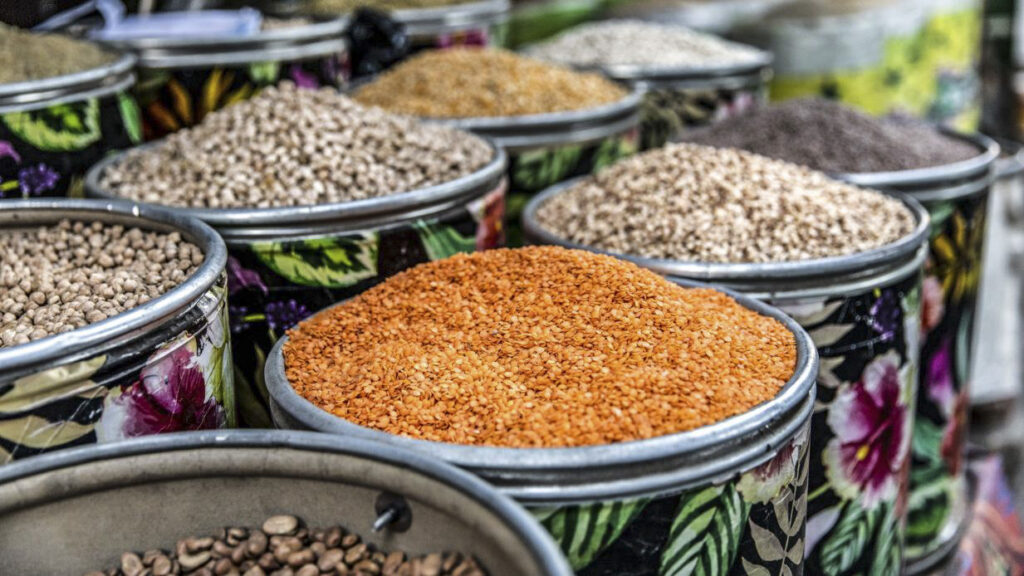
Cultivated for over 8,000 years, lentils belong to the pulse family—crops with the potential to reshape the way we produce and consume protein.
According to the FAO (Food and Agriculture Organization of the United Nations), pulses play a strategic role in global food security thanks to their nutritional value, adaptability and contribution to more sustainable farming systems. The FAO publications Celebrating the Power of Pulses and A Guide to World Pulses Day 2026 also highlight their nutritional benefits, their natural ability to fix atmospheric nitrogen, their contribution to soil fertility and their role in crop diversification.
Long before attracting the attention of the FoodTech and AgriTech sectors, lentils were already providing practical answers to many of today’s challenges.
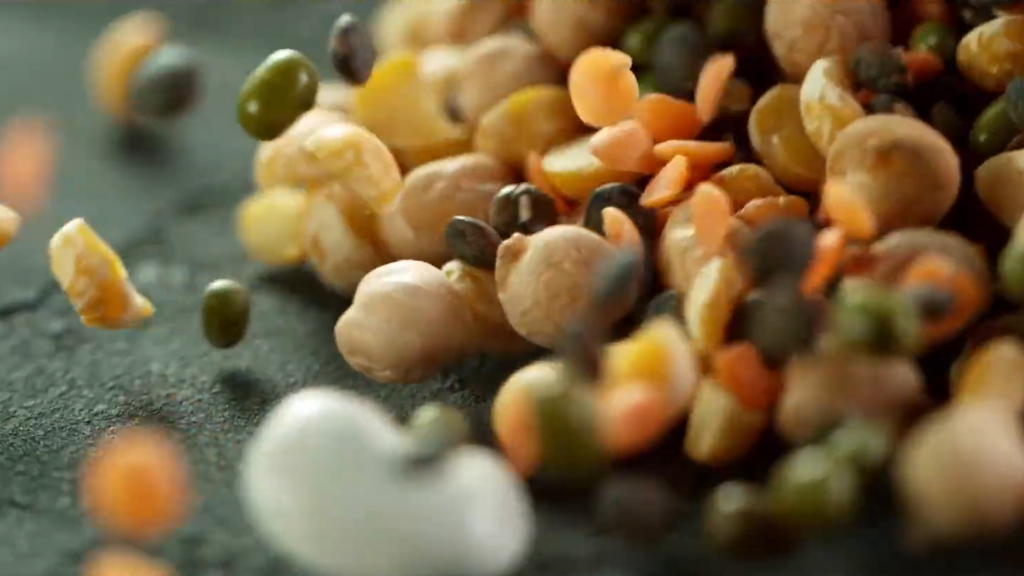
The role of pulses in nutrition, food security, soil health and the transition towards more sustainable agricultural systems. © FAO
A Tiny Seed with a Global Legacy
Originating in the Near East, lentils accompanied the rise of the world’s earliest farming civilisations.
Their remarkable success stems from several key strengths:
- naturally rich in plant protein;
- easy to store;
- able to thrive in diverse environments;
- and endowed with unique agronomic properties.
Like all pulses, lentils form a symbiotic relationship with naturally occurring soil bacteria, allowing them to fix atmospheric nitrogen and reduce the need for nitrogen fertilisers.
This ability explains the growing interest they have attracted from agricultural research organisations. In France, the ICARDA (International Center for Agricultural Research in the Dry Areas), Terres Inovia, Agri Obtentions, Pro’Pulse and Semences de Provence are collaborating through the Cap Protéines programme to broaden the genetic diversity of lentils and chickpeas. Their objective is to develop varieties that are more resilient to climate change, disease and the evolving needs of tomorrow’s agriculture.
Lentils are therefore far more than an agricultural legacy—they remain a fertile ground for scientific innovation.
From Le Puy to Delhi: One Seed, Two Food Cultures
Food is never just about recipes.
It tells the story of a place.
Le Puy-en-Velay, France: A Heritage Crop
The reputation of the Lentille Verte du Puy quickly spread far beyond its native region. In 1930, Russian botanist Helena Barulina recognised its distinctiveness by naming it Lens culinaris puyensis.
Following attempts by imported lentils to appropriate its name, producers secured official recognition through a protected designation of origin in 1935, laying the foundations for the protection that preserves this agricultural heritage today.
Today, the Le Puy Green Lentil remains one of the clearest examples of the close relationship between agriculture, geography and cultural identity.
Each year, around 3,000 hectares are cultivated by approximately 550 producers, supplying a sector that exports this iconic lentil to nearly 70 countries.
Since 1996, it has benefited from an AOP Lentille verte du Puy (Protected Designation of Origin) recognised by INAO (France’s National Institute for Origin and Quality). Its identity rests on a unique combination of:
- a terroir covering 87 municipalities around Le Puy-en-Velay;
- distinctive soil and climatic conditions;
- locally adapted farming practices;
- generations of inherited expertise.
Its uniqueness therefore lies not simply in a plant variety, but in the meeting of a seed, a landscape and a human story.
For generations, it has held a special place in French regional cuisine, most notably in le petit salé à la Lentille Verte du Puy, one of the region’s signature dishes.
Born from rural ingenuity, the recipe combines salt-cured pork with a nourishing, affordable and long-lasting pulse.
Lentils were never considered a luxury food. They were already an effective response to the economic, agricultural and climatic realities of their time.
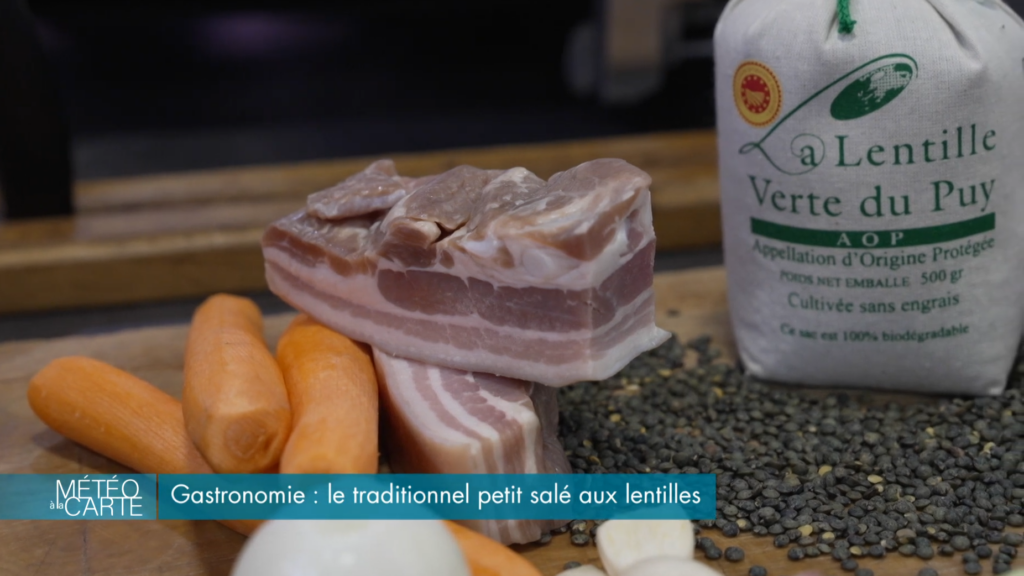
Celebrating the Le Puy Green Lentil with Brice Pellevoisin – Au Plaisir du Goût Butchery © France Télévisions
India: A Staple That Feeds a Civilisation
In India, dal (or dhal) refers both to split pulses and to the dishes prepared from them. Made from lentils, split peas, pigeon peas, mung beans or split chickpeas, it forms one of the cornerstones of the daily diet of hundreds of millions of people.
This culinary tradition also plays a vital role in the country’s nutritional security. The FAO‘s Food-based dietary guidelines – India emphasise the importance of cereals and pulses in balanced diets, particularly for their contribution of protein, dietary fibre and essential micronutrients.
The complementary relationship between cereals and pulses is based on a well-established nutritional principle: combining different plant foods creates a more complete amino acid profile.
Today, this principle is championed by India’s leading agricultural research institutions.
During the National Conference on Pulses, the ICAR (Indian Council of Agricultural Research) rreaffirmed that pulses are a strategic lever for strengthening food security, improving nutrition, increasing farmers’ incomes and building more climate-resilient farming systems.
The traditional pairing of dal with rice or flatbreads such as chapati perfectly illustrates a form of nutritional wisdom developed long before modern science turned its attention to plant proteins.
In 2024, the Government of India announced the Mission for Aatmanirbharta in Pulses (2025–26 to 2030–31), a programme worth ₹11,440 crore (approximately €1.04 billion) aimed at increasing domestic pulse production, improving seed quality and advancing food self-sufficiency, according to the Press Information Bureau, Government of India.
While the Le Puy Green Lentil is protected through geographical origin and regional know-how, dal is sustained by collective memory and culinary traditions passed down through generations.
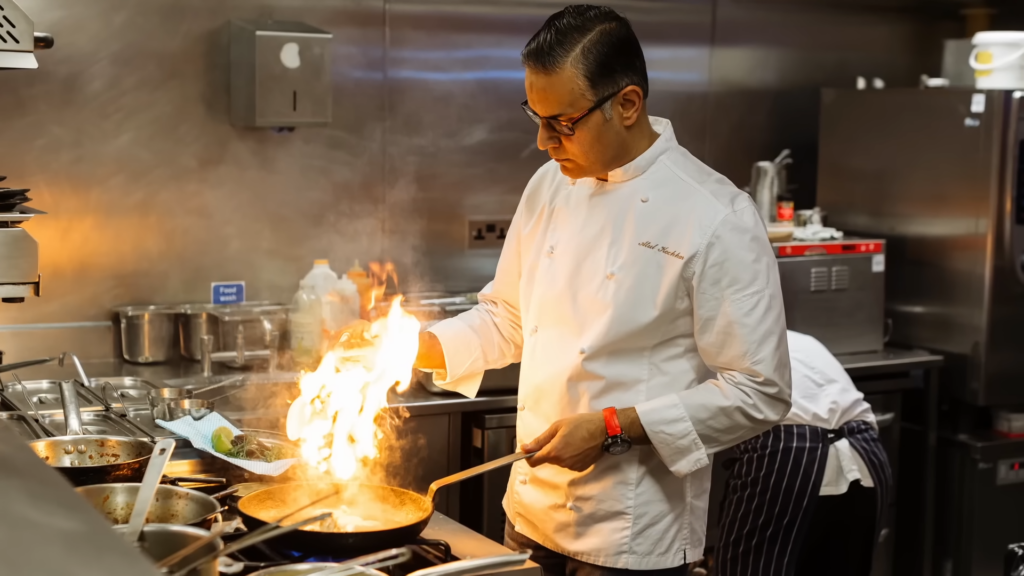
Atul Kochhar, the first Indian chef to be awarded a Michelin Star, shares a step-by-step guide to preparing a traditional Dal Makhani, just as his mother used to make it for him when he was a child. © Food Network UK
Canada: Scaling Up Lentil Production
According to FAOSTAT, global pulse production reached approximately 97 million tonnes in 2024, including around 6.7 million tonnes of lentils.
International trade accounts for almost 20 million tonnes of pulses every year, underlining their growing strategic importance. India remains the world’s largest producer, harvesting 25.3 million tonnes in 2024.
During the twentieth century, lentil cultivation expanded beyond its historic regions into the vast grain-producing landscapes of North America. Canada subsequently emerged as one of the world’s leading producers and exporters.
Today, around 1.6 million hectares are devoted to lentil cultivation. According to Agriculture and Agri-Food Canada – Outlook for Principal Field Crops, exports are expected to reach almost 2.3 million tonnes during the 2025–26 marketing year, with much of the production concentrated in Saskatchewan.
This industrial expansion has:
- increased the global availability of affordable plant protein;
- created a major export industry;
- supported the growing demand for alternatives to animal protein.
Yet it also highlights one of the defining tensions of today’s food systems:
How do we scale up production without reducing an ancient crop to a global commodity?
Canada’s lentil industry illustrates this paradox. While lentils remain central to the transition towards more sustainable food systems, large-scale production also raises questions about agricultural standardisation, dependence on global markets and farming practices, including the use of certain crop protection products such as pre-harvest desiccation.
The challenge is therefore not simply to produce more plant protein, but to build supply chains capable of combining scale, nutritional quality, agricultural resilience and long-term sustainability.
An Ancient Protein, Now a Strategic One
For decades, food systems have relied primarily on animal protein and a handful of dominant crops.
Today, pulses are once again moving to the centre of the conversation.
For good reason.
They address several major challenges simultaneously.
Nutrition
An accessible source of plant protein, fibre and essential micronutrients.
Climate
A crop that contributes to lower-impact farming systems when integrated into well-designed rotations.
Food sovereignty
A strategic resource for countries seeking to reduce their dependence on imported protein.
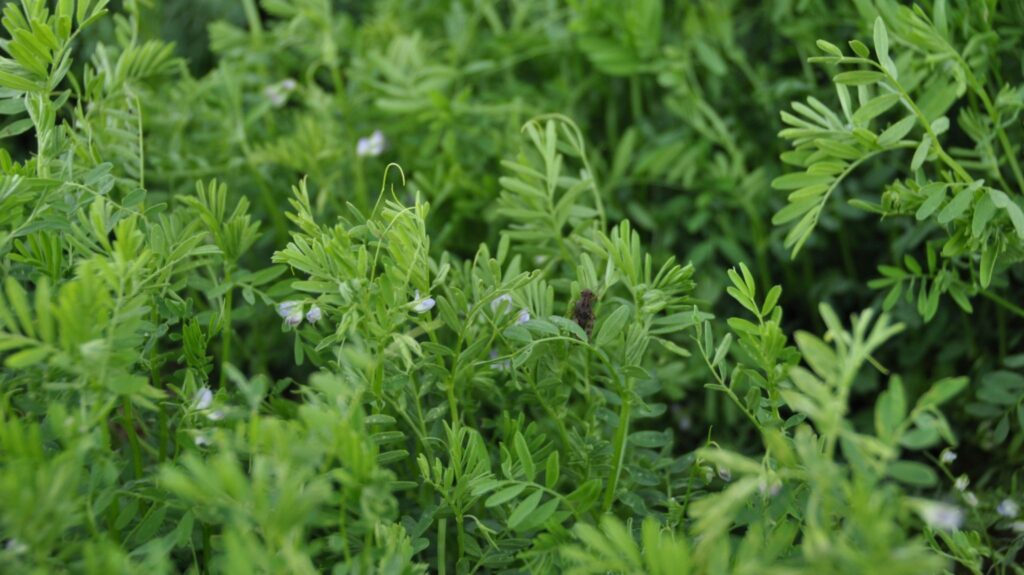
Le Puy Green Lentil plants grown on the volcanic plateaux of Haute-Loire, at the heart of a terroir protected by a Protected Designation of Origin (PDO) since 1996. © La Lentille Verte du Puy
The lentil is entering a new era
The next food revolution may not come solely from discovering entirely new sources of protein. It may also come from our ability to unlock the potential of the crops we already know.
Today, research is opening new pathways for pulses through advanced processing technologies: protein extraction, texture optimisation, fermentation, the development of functional ingredients and new applications across the food industry.
A new generation of companies is already demonstrating how the lentil is evolving from a traditional crop into a strategic ingredient for tomorrow’s food systems.
- Australian Plant Proteins — Australia
Australian Plant Proteins is transforming red and yellow lentils into high-value ingredients for beverages, plant-based alternatives and fortified foods.
Its lentil protein isolates can reach around 85% protein content and combine a mild flavour, light colour and good solubility — technological advantages that enable food manufacturers to incorporate them into formulations while preserving taste, appearance and consumer acceptance.
Beyond their nutritional value, lentils also offer agronomic benefits. As nitrogen-fixing legumes, they can be integrated into crop rotations, helping to improve soil health and reduce reliance on synthetic nitrogen fertilisers.
- AGT Food and Ingredients – Canada
One of the world’s leading pulse processors, AGT Foods illustrates the transition of lentils from an agricultural commodity into a strategic ingredient for the global food industry.
Through its PulsePlus™ platform, the company transforms pulses — including lentils — into a wide range of functional ingredients, including flours, protein concentrates and isolates, fibres and textured solutions for food manufacturers.
Lentil protein isolates can reach around 80% protein content and are being developed for multiple applications, including plant-based meat alternatives, dairy alternatives, pasta, snacks, sauces and protein beverages.
The company also highlights key functional properties such as emulsification, binding capacity and compatibility with clean-label formulations — characteristics increasingly valued by food innovators.
- Elementa Ingredients – France
Elementa Ingredients develops innovative pulse-based ingredients, including red lentil (Lens culinaris) protein isolates and concentrates, designed for manufacturers of plant-based foods, sports nutrition products and functional food applications.
These developments are supported by a rapidly expanding field of scientific research. Studies published in Foods and other scientific journals highlight the promising nutritional and functional properties of lentil proteins, particularly their potential to support improved texture, emulsification and formulation performance in next-generation plant-based products.
Much like fermented foods — from kimchi to sauerkraut — innovation often lies in scientifically understanding what traditional practices have been achieving for generations.
Tradition is not the opposite of innovation.
It is sometimes its living laboratory.
An Ancient Seed for the Future of Food
From Le Puy to Delhi, lentils tell a story that extends far beyond food.
They connect:
- heritage and innovation;
- agriculture and technology;
- local traditions and global challenges.
The future of food may not depend solely on inventing new solutions.
It may also depend on recognising the value of those humanity has been cultivating for thousands of years.