


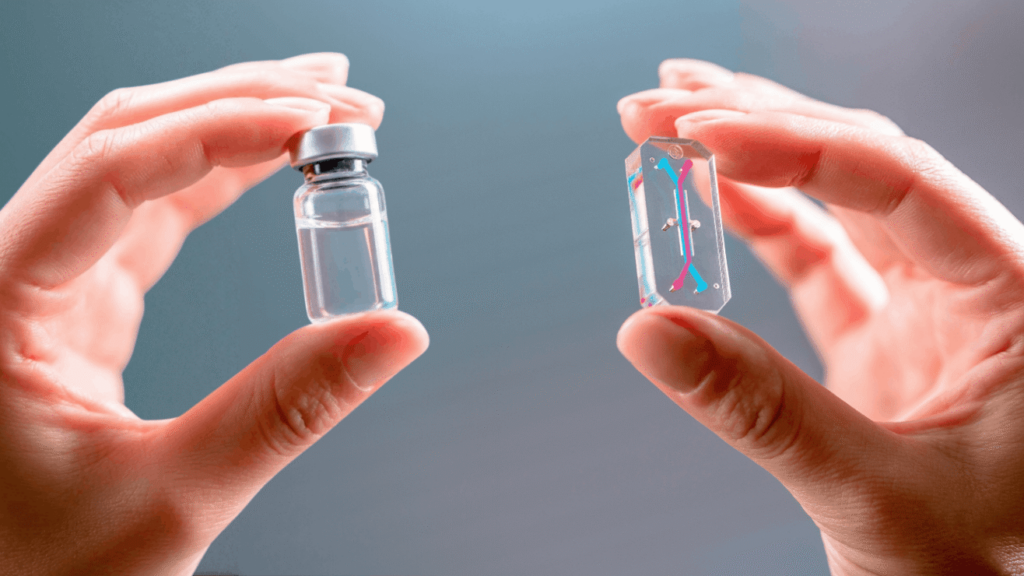
A miniature liver that flags toxicity, a blood-brain barrier recreated on a chip to study drug transport, tumour cells taken from a patient to observe their response to treatment.
In 2026, regulatory acceptance of these technologies is gaining ground. For European companies, the ability to generate and interpret human biological data, and to secure regulatory acceptance for it, could become a pillar of pharmaceutical sovereignty.
Liver-on-chip models: detecting toxicity before clinical trials
Putting 27 drugs to the liver-on-chip test
In 2022, Emulate, a US company spun out of Harvard’s Wyss Institute, evaluated 27 drugs using 870 human Liver-Chip models.
Some of these compounds were known to cause liver injury in humans, even though conventional preclinical models had failed to predict their toxicity accurately.
In a study published in Communications Medicine, the platform identified 77% of the hepatotoxic drugs among the 27 compounds tested using cells from a single donor, with no false positives among the non-toxic compounds. In a subset of 18 drugs tested using two donors, sensitivity reached 87%.
These findings relate to compounds whose clinical effects were already documented. They do not guarantee comparable accuracy for new drug candidates, but they show that the model can detect toxicities that conventional methods had failed to predict adequately.
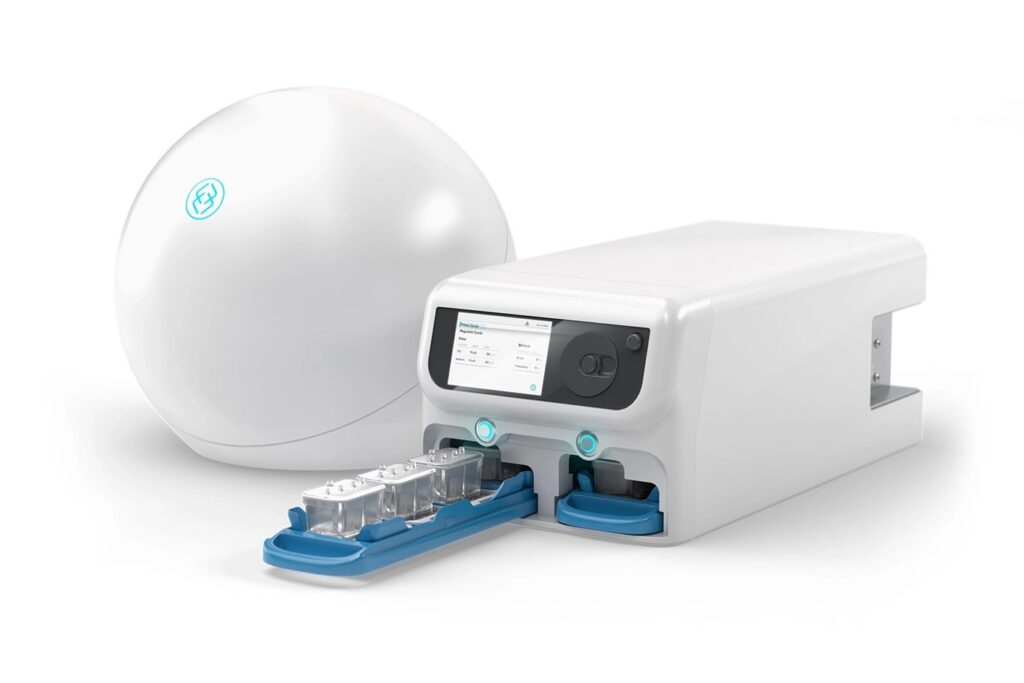
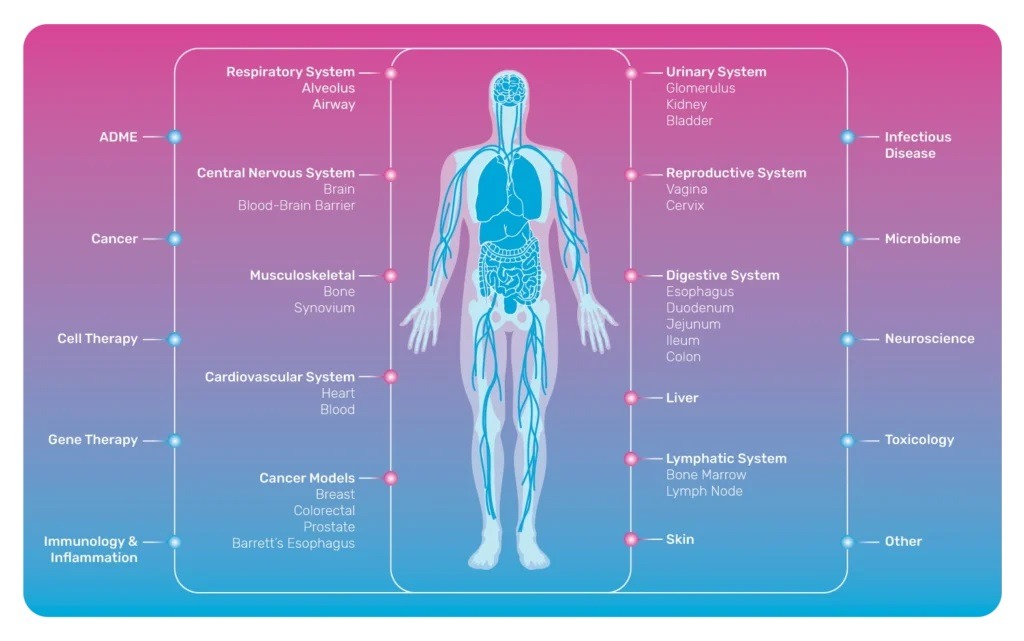
Emulate Organ-on-a-Chip platform with the Zoë-CM2® Culture Module, a versatile system designed for model development and therapeutic target validation. More than 30 organ models have been developed and documented across over 130 publications. © Emulate
From the laboratory to the FDA
The FDA Modernization Act 2.0, enacted in 2022, broadened the range of methods that can be used to generate nonclinical data, creating greater scope for non-animal approaches.
In March 2026, the US Food and Drug Administration published draft guidance setting out principles for the validation of these methodologies.
On 9 September 2026, Emulate announced that it had submitted its full qualification package for the Human Liver-Chip under the FDA’s ISTAND programme.
The submission brings together data generated across three independent laboratories, using multiple human donors and two generations of the platform. Final qualification remains subject to FDA review.
Recreating a drug’s journey through the body
Reconstructing interactions between organs
An orally administered drug is absorbed in the intestine, metabolised by the liver and distributed to other tissues. These interactions shape its concentration, activity and, in some cases, toxicity.
In Cambridge, CN Bio is developing PhysioMimix®, a platform that links intestinal and liver models to study drug absorption and metabolism.
Joseph Parisi, Americas Sales Director, outlines the equipment needed to integrate PhysioMimix® Core into a laboratory and explains that much of the required infrastructure is often already in place. © CN Bio
In Berlin, TissUse is exploring broader multi-organ interactions with HUMIMIC Chip4, which can combine up to four organ models within a single microfluidic system.
In 2024, TissUse launched an interlaboratory study with UCB and five other pharmaceutical companies to assess the reproducibility and accuracy of its liver model.
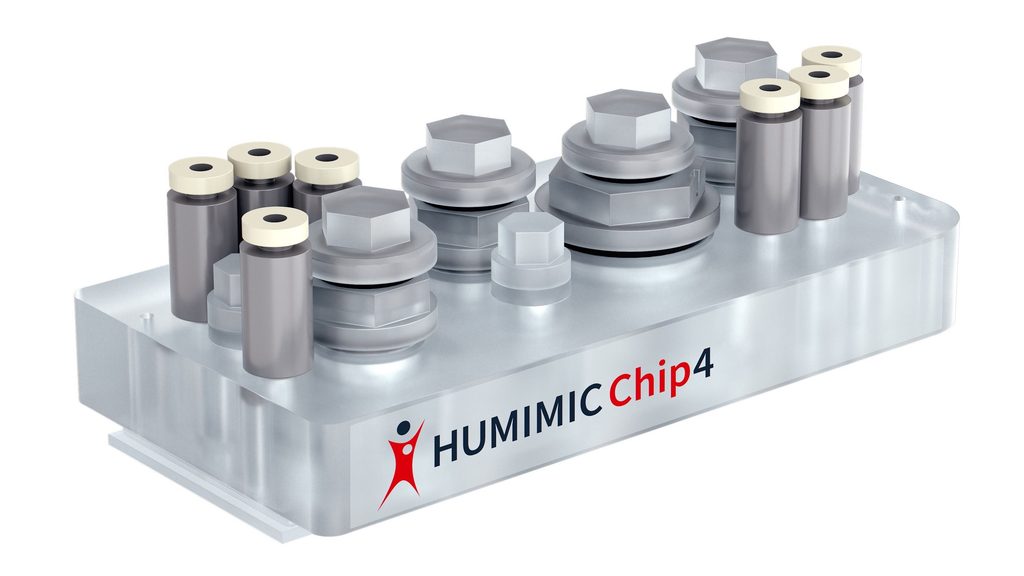
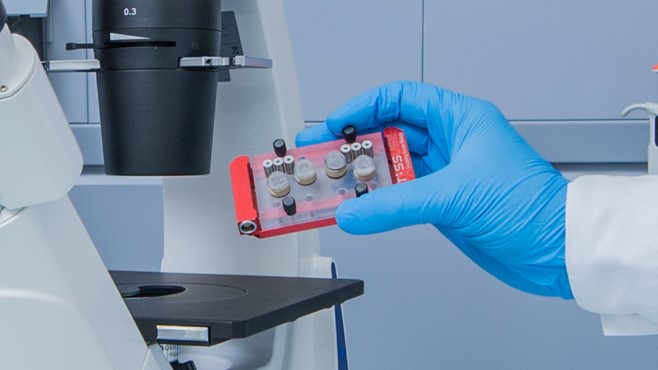
HUMIMIC Chip4 contains two independent microfluidic circuits, allowing systemic circulation and processes such as excretion or reabsorption to be modelled independently. © TissUse GmbH
Crossing the blood-brain barrier
The blood-brain barrier protects the brain by tightly controlling the passage of substances from the bloodstream into neural tissue. That same selectivity can prevent neurological therapies from reaching their target.
A molecule may show promise in the laboratory yet fail to reach brain tissue at a therapeutically relevant concentration.
In November 2025, Emulate and FUJIFILM Cellular Dynamics launched Brain-Chip R1, a human model designed to study drug transport across the blood-brain barrier and mechanisms of neuroinflammation.
The device combines five human cell types derived from a single induced pluripotent stem cell (iPSC) line: neurons, astrocytes, microglia, pericytes and brain microvascular endothelial cells.
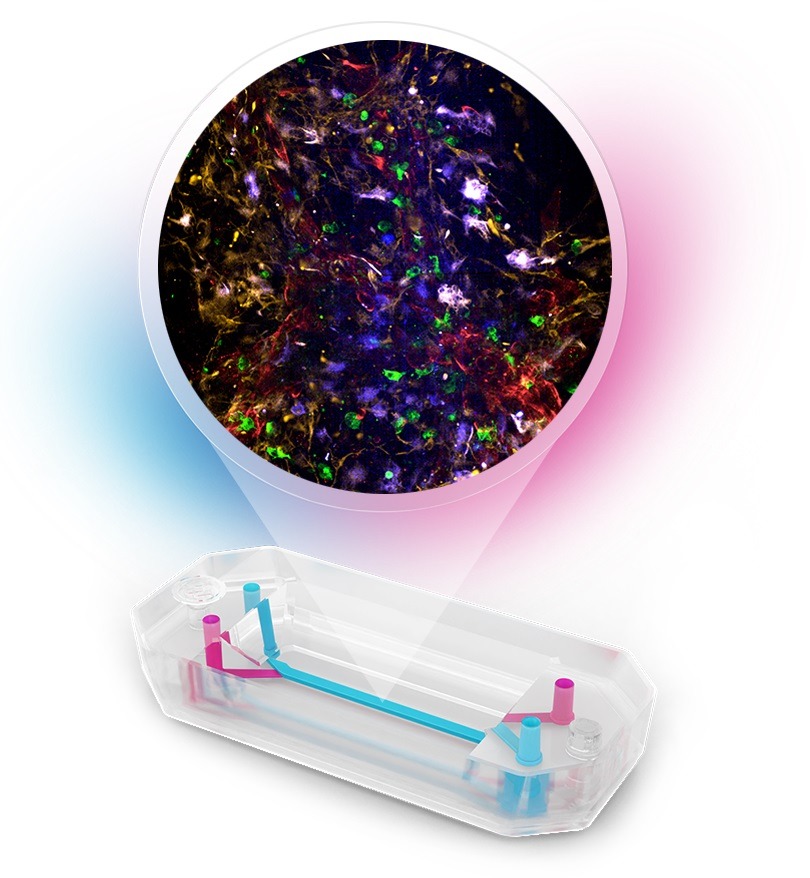
This shared genetic background reduces donor-to-donor variability, while fluid flow recreates some of the physical conditions of the neurovascular environment.
The platform also incorporates a material designed to minimise drug absorption by the chip itself, making it easier to measure transport across the biological barrier.
It remains an experimental research model. Its ability to predict how new drugs behave in patients will need to be established for each intended application.
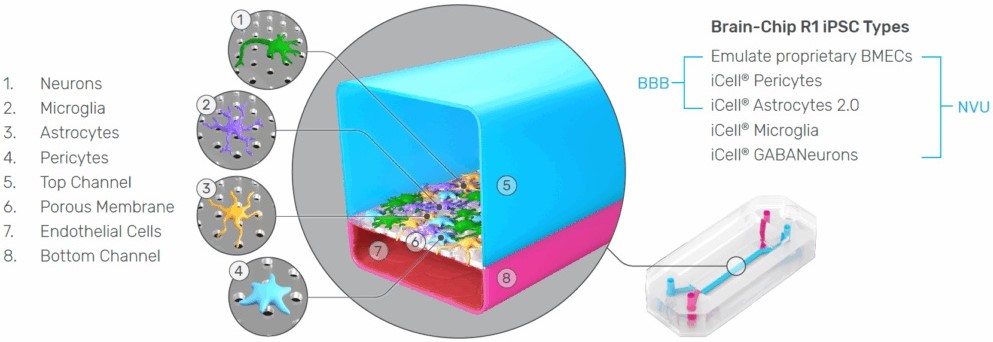
Brain-Chip R1 uses human cells derived from a single iPSC line and a material designed to minimise drug absorption by the device, two design choices intended to improve the reproducibility of transport measurements. © Emulate / FUJIFILM Cellular Dynamics
A patient-derived tumour on a chip
In France, Okomera tests how tumour cells taken directly from patients respond to different treatments.
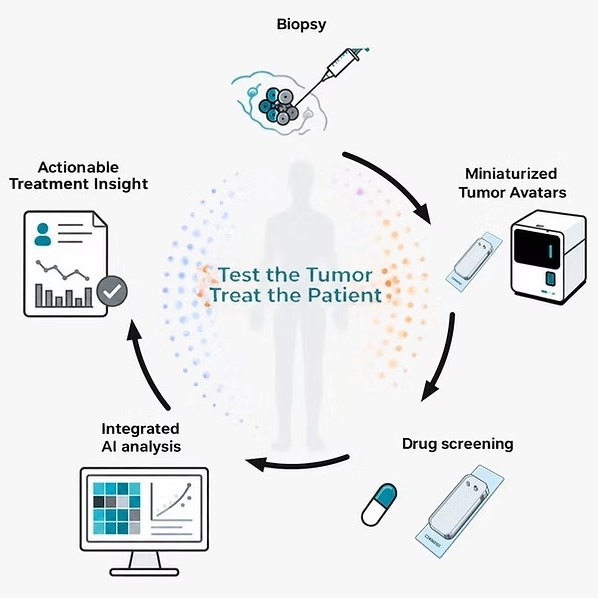
Its Ocentra platform combines microfluidics, miniaturised tumour models and AI-based image analysis.
The company says it can work with as few as 50 cells and deliver results in under a week.
A response observed outside the body does not guarantee the same therapeutic effect in the patient.
The extent to which these tests predict clinical response still needs to be characterised across indications and treatment types.
Ocentra is an integrated platform designed for use across multiple cancer types and protected by seven patent families covering its hardware and software. © Okomera
From biological response to industrial capability
Reading the electrical activity of neurons
In Lyon, NETRI uses electrical signals generated by human neural networks to measure their response to different substances.
Its NeuroFluidics platform combines neuronal cultures, microfluidics and electrophysiological sensors.
The resulting signals are used to build libraries of digital signatures for studying pain, neurotoxicity and responses to drug candidates.
In February 2025, NETRI opened France’s first manufacturing facility dedicated to organ-on-chip systems, with more than 1,100 m² of production laboratory space. The company says annual capacity could reach 500,000 devices.
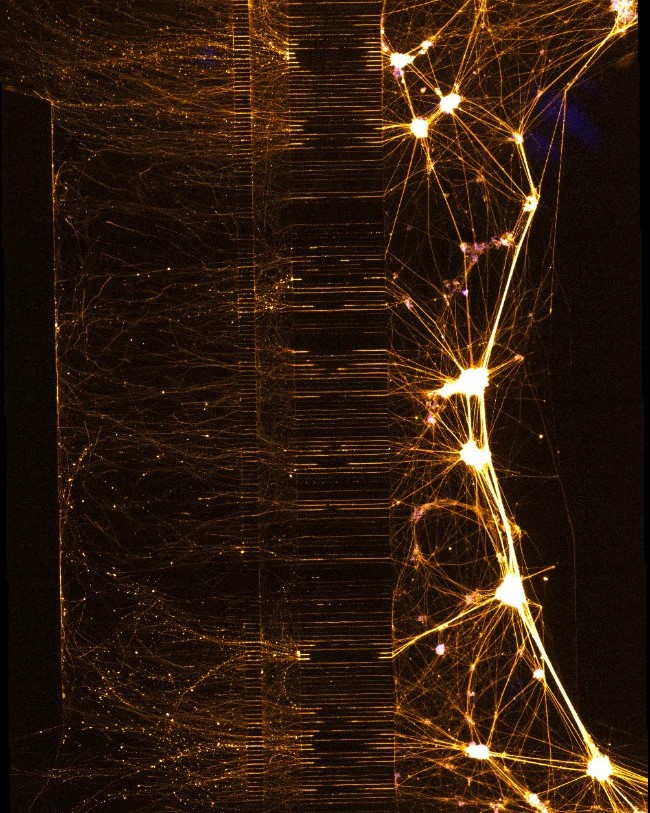
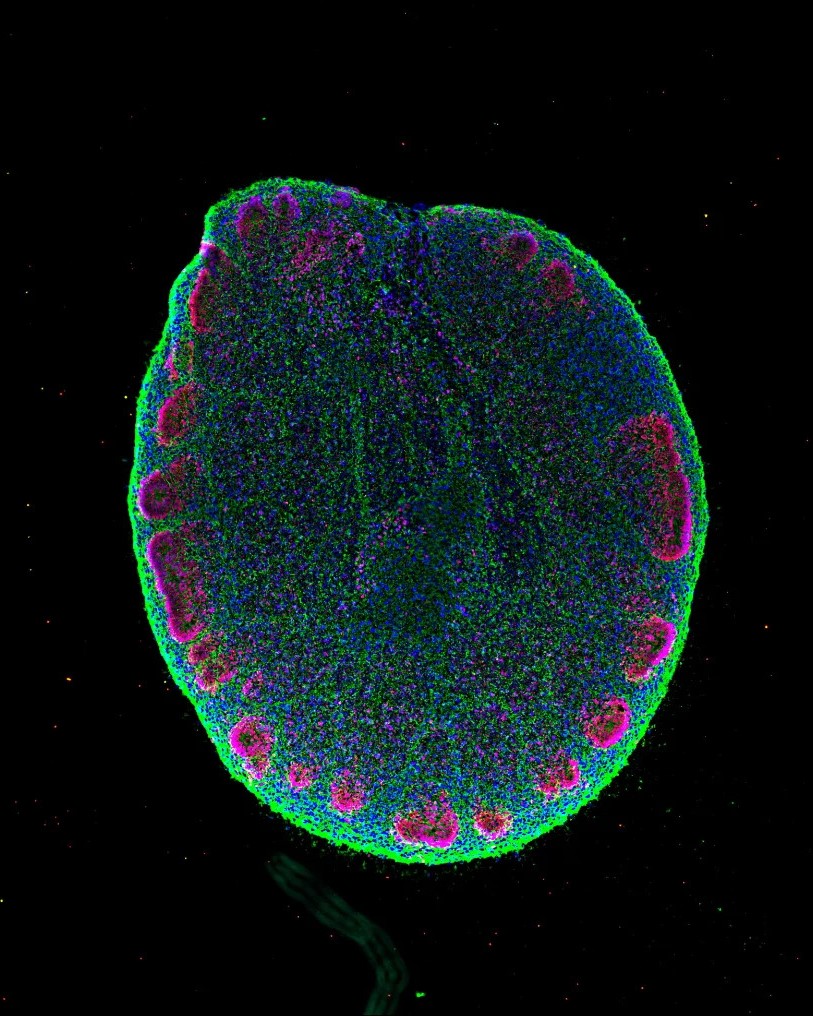
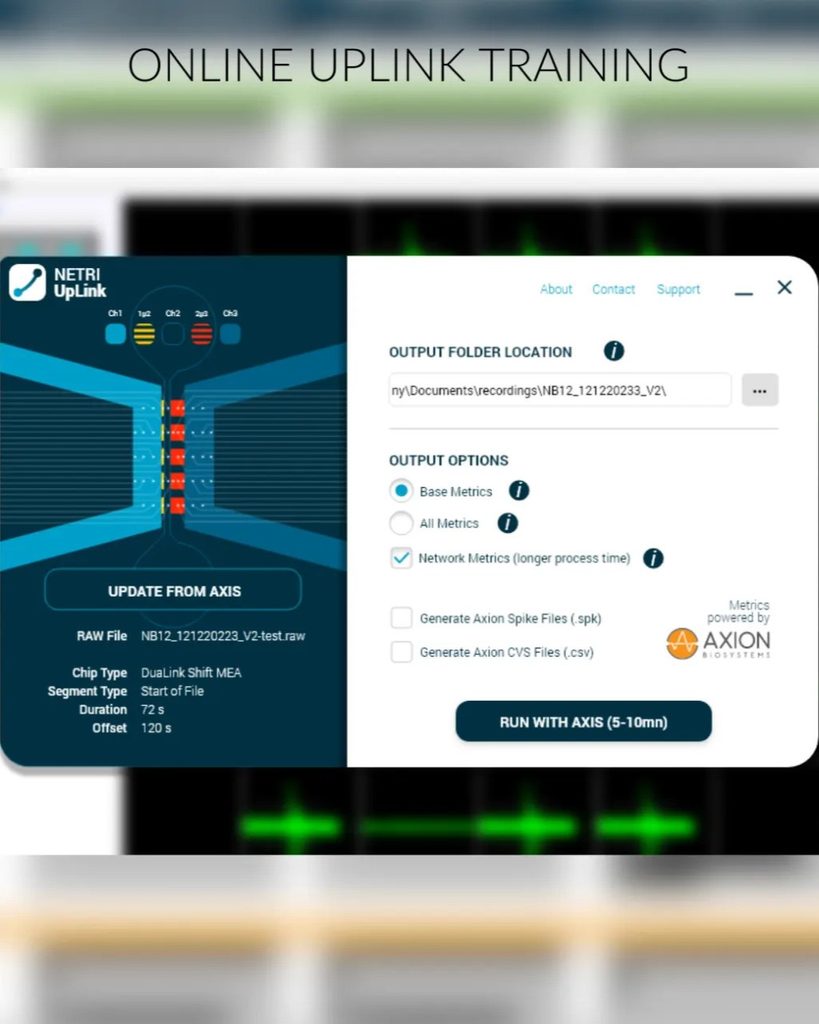
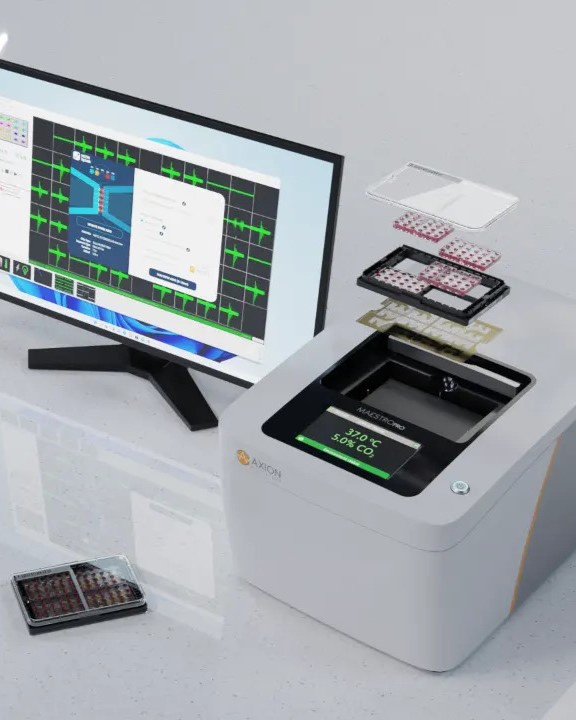
NETRI’s technology combines compartmentalised microfluidics to control biological interactions, human cell models to reproduce them and a software layer that turns recorded signals into standardised metrics and comparable datasets. © NETRI
Reproducing results at scale
In Switzerland, InSphero is developing Akura™ Flow, a platform that brings multiple microtissues and organoids together within a microfluidic device.
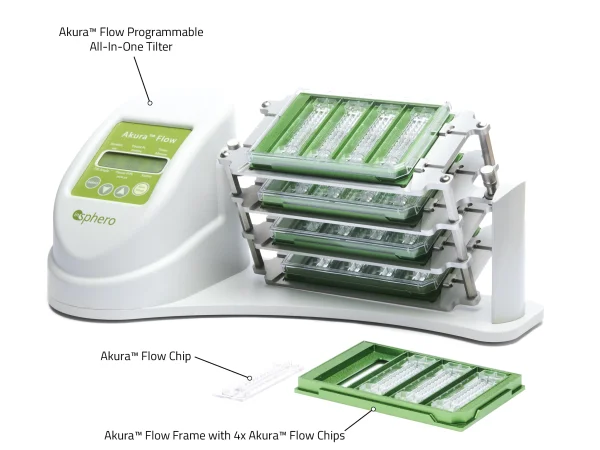
Fluid flow is generated by controlled plate tilting, with no external pump required. The platform’s standardised format makes it easier to integrate into automated pharmaceutical laboratory workflows.
Akura™ Flow links multiple microtissues or organoids within a single chip, allowing their interactions to be observed in a shared microfluidic environment. © InSphero
In January 2025, the European Commission’s Joint Research Centre published a roadmap for standardising organ-on-chip technologies.
The European Medicines Agency also operates a qualification procedure for novel methodologies intended for clearly defined contexts of use.
Recognition of a method for assessing liver toxicity does not automatically make it acceptable for predicting the efficacy of an anticancer treatment. Each application must demonstrate its relevance to the specific decision it is intended to inform.
Manufacturing organ-on-chip systems in Europe is not, in itself, sufficient to guarantee technological autonomy. Human cells, experimental protocols, analytical software and reference datasets may each remain a source of dependency.
Pharmaceutical sovereignty also begins at the earliest stages of research: with the ability to determine, using human tissues, which drug candidates are worth taking forward.