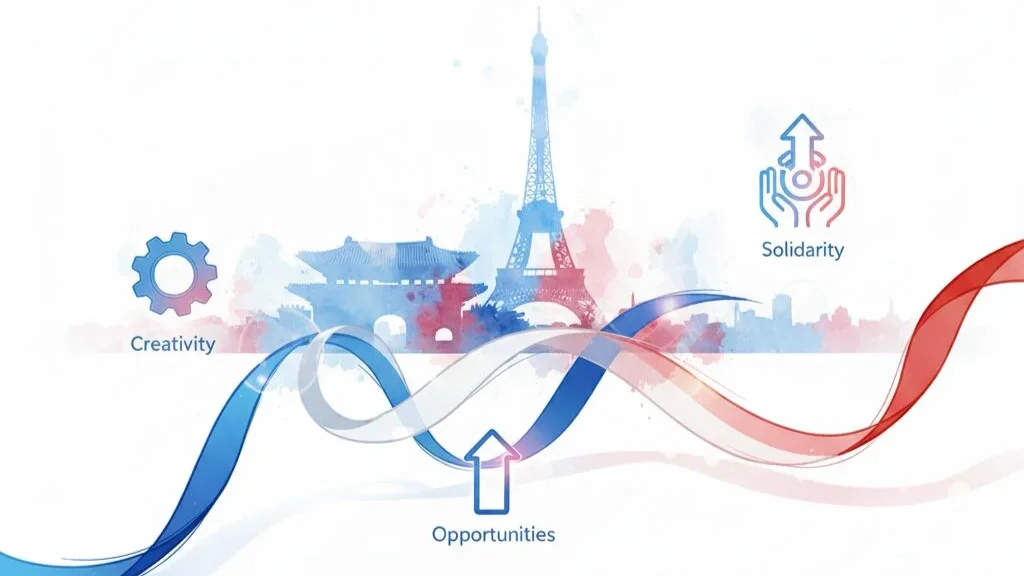
N°5 – Deeptech series between France and South Korea
On April 3, 2026, during his official visit to the Republic of Korea, President Emmanuel Macron reaffirmed, alongside his South Korean counterpart, a historic bilateral commitment to the preservation and sustainable use of the ocean. According to the Élysée, this diplomatic summit marks a turning point: the marine environment is emerging as the laboratory of a new industrial sovereignty in which preservation becomes the driving force of innovation.
Far from being a fixed sanctuary, it is the foundation of a blue economy in which the health of ecosystems guarantees the sustainability of yields. By placing this alliance at the heart of the 140th anniversary of diplomatic relations, the two nations are combining their technological strengths to build a sector in which macroalgae serve both climate resilience and global deeptech growth. Marine algae are now establishing themselves as one of the most strategic pillars of the global blue economy.
In keeping with our analyses of innovations inspired by living systems, notably through our article on butterfly biomimicry between France and South Korea, this study explores a strategic pillar of the blue economy. Think.green therefore invites you to discover the inner workings of this fifth France–South Korea bridge, where the union of expertise is shaping the contours of a regenerative marine industry.
The maritime imperative of the Blue Economy
One of the answers to the climate and industrial challenges of 2026 lies in the exploitation of the oceans. Long confined to Korean culinary traditions or the fertilization of Breton soils, macroalgae are changing status. They are becoming the foundation of an emerging deeptech sector. This transformation places marine algae at the center of the dynamics of the blue economy.
According to the latest analyses by the French National Centre for Scientific Research (CNRS), the exploitation of the oceans is no longer a niche but a global issue. In this context, driven by a strategic convergence, France and the Republic of Korea are coordinating their capabilities. On one side, Seoul is deploying industrial infrastructure enabling automated mass production. On the other, Paris, drawing on Brittany’s scientific ecosystem, is developing targeted molecule extraction processes for pharmaceuticals and dermocosmetics. This complementarity durably positions France and South Korea as structuring players in the global blue economy.
This transcontinental partnership between integrated mariculture and precision biotechnologies is strengthening ties in support of shared sovereignty. Through this partnership, algae are emerging as a driving force of the blue economy, where the sustainable management of resources becomes a lever for economic growth.
Although this use is rooted in the heritage of both nations, their models have evolved toward distinct specializations:
- South Korea: industrial power. A global leader in cultivation and processing, it has an ecosystem optimized for large scale output, primarily geared toward the agri food sector.
- France: scientific excellence. Home to one of the most diverse seaweed floras in the world, it focuses its efforts on isolating high value molecules.

On Friday, April 3, President Emmanuel Macron was welcomed by his South Korean counterpart, Lee Jae Myung, during an official welcoming ceremony at the Blue House © French Embassy in Korea
Profile: algae
Within the blue economy, marine algae constitute a strategic biological resource with multiple industrial applications. According to the National Museum of Natural History (MNHN), the term algae refers to an immense diversity of photosynthetic organisms living predominantly in aquatic environments. Contrary to popular belief, they do not form a single biological group, or taxon, but encompass several distinct evolutionary lineages.
Main characteristics
- Oxygenic photosynthesis: they use light energy and CO2 to produce organic matter and release oxygen.
- Absence of complex tissues: unlike terrestrial plants, they have no true roots, stems, leaves, or flowers. Their entire body is called a thallus.
- Direct absorption: they draw water and mineral salts directly across the entire surface of their thallus.
Classification by size
- Microalgae: invisible to the naked eye, they are often made up of a single cell. They account for a major share of phytoplankton.
- Macroalgae: visible to the naked eye, they can reach impressive dimensions, up to 40 meters for certain kelps.
The three major lineages
Their color depends on pigments that mask the green chlorophyll to varying degrees:
- Green algae – Chlorobionts: often live near the surface where light is abundant.
- Brown algae – Phaeophyceae: possess brown pigments, such as fucoxanthin, allowing them to capture light in intermediate zones.
- Red algae – Rhodophyceae: endowed with pigments capable of capturing blue and violet wavelengths, which allows them to live at greater depths.
Thallus morphology
A macroalga is generally structured into three parts:
- The disc or holdfast: the organ that anchors it to the substrate, whether rock or sand.
- The stipe: an intermediate part resembling a stem, more or less flexible.
- The frond or blade: the spread out part, often ribbon or leaf shaped, where most of the photosynthesis takes place.
Ecological and economic importance
- Oxygen production: they are responsible for nearly 50 percent of atmospheric oxygen through plankton.
- Habitat: forests of large algae, such as kelp, shelter exceptional marine biodiversity.
- Human uses: macroalgae are used in food, such as Dulse and Nori, in cosmetics, in agriculture as fertilizer, and in industry as gelling agents such as alginates or carrageenans.
- Scientific reference base: this immense richness is documented by the Museum’s collection, which preserves 500,000 specimens, a crucial asset for fact checking and R&D.
Note: Spirulina, often called “blue algae,” is in fact a cyanobacterium and does not belong to the group of eukaryotic algae.
The monitoring and sustainable valorization of algae make it possible to structure a sector capable of combining the preservation of marine ecosystems with industrial performance. © Global Seaweed Coalition
From roots to strategic resources in Brittany: the epic of the goémoniers
Currently the leading seaweed producing region in France, Brittany has always given a central place to marine resources in its economy and its social organization.
As early as the 14th century, coastal populations collected marine resources for heating and soil fertilization. A distinction was then made between goémon, living algae cut from the rocks, and varech, that heterogeneous mixture washed up on beaches by storms.
This exploitation is based on an ancestral practice whose first major legal framework was the 1681 Colbert Ordinance on the navy, concerning the policing of ports, coasts, and seashores. This pioneering text laid the foundations for:
- Policing of the foreshore: strict definition of harvesting rights according to the zones, shore or seabed.
- Biomass management: the first measures aimed at preventing the depletion of the resource.
- Economic autonomy: prioritizing local agricultural and industrial needs.
This legal precedence explains why Brittany today enjoys such an advanced position in the governance of algal resources, making the port of Lanildut and the Breton ecosystem the direct heirs of a strategic vision of the blue economy. This historical model now foreshadows the principles of a sustainable blue economy.
A historical agricultural and domestic use
This practice intensified in the 18th century, elevating these macroalgae to the status of a benchmark natural fertilizer. Their high concentration of phosphorus and potassium made them a strategic fertilizer for inland crops. While shore harvested goémon was prized for the purity of its components, varech was used as a bulk soil amendment for sandy lands.
At that time, the resource was the subject of vital barter: surpluses were exchanged for meager income from farmers. However, in order to guarantee priority for coastal farms, use remained strictly regulated: sales outside the municipality were only authorized after an eight day delay, thus ensuring the fertilizing sovereignty of local residents.
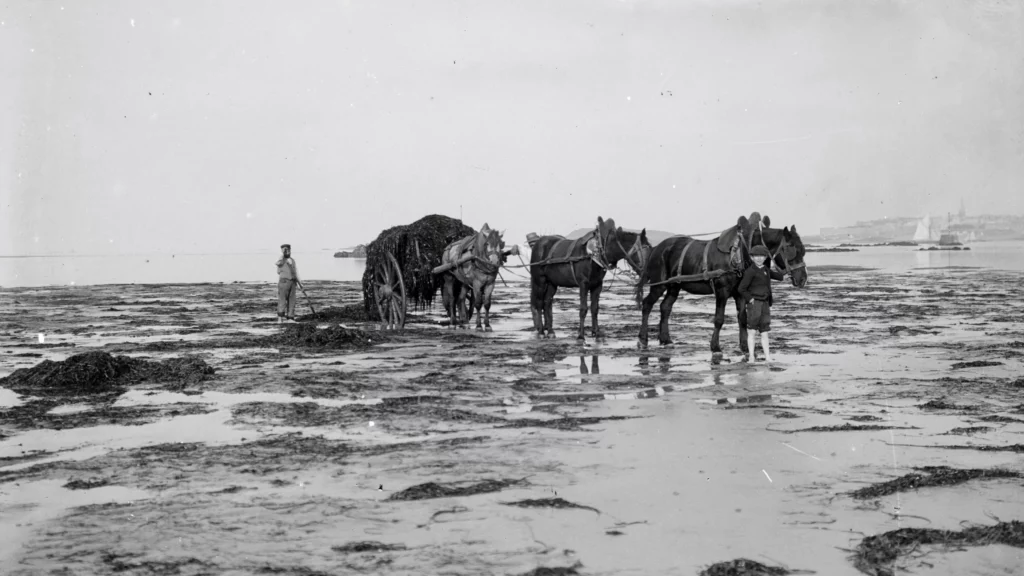
Second quarter of the 20th century, on a beach, three men with three horses harnessed to a cart filled with goémon. Glass plate negative © Studio Raphaël Binet
Traditions and industrial transformations
In the 19th century, the discovery and rise of iodine industrialized the sector. Harvesting nevertheless remained manual, carried out with a sickle, called faskir for bottom growing algae, and transported by carts. The occupation forged a strong social identity:
- Division of roles: on the islands of Sein, Ouessant, and Molène, harvesting on the foreshore was assigned to women, while men often served in the Navy. There, goémon was vital, serving as the only fuel for cooking in the absence of wood on the islands.
- Customary law: the management of the “seaweed rocks” was strictly regulated. As early as 1812, prefectural decrees established a precise distribution by village to calm conflicts. Strikes nevertheless broke out in 1852 and 1860 in response to competition from mainland harvesters.
- 1872: founding of the Roscoff Biological Station, linking scientific research and exploitation.
- Modernization: the agri food industry adopted the use of algae from the 20th century onward, radically transforming market outlets. The red algae Chondrus crispus, or pioka, then became a major resource for the production of gelling carrageenans.
- 1940s: introduction of dredging techniques inspired by Japanese grapples to maximize kelp yields.
- 1947: introduction of licenses and biological resting periods, the first sustainable management measures.
- 1970s: invention of the scoubidou, a rotating hydraulic arm that automated harvesting. This period also marked the abandonment of dune drying in favor of industrial processing of algae in factories.
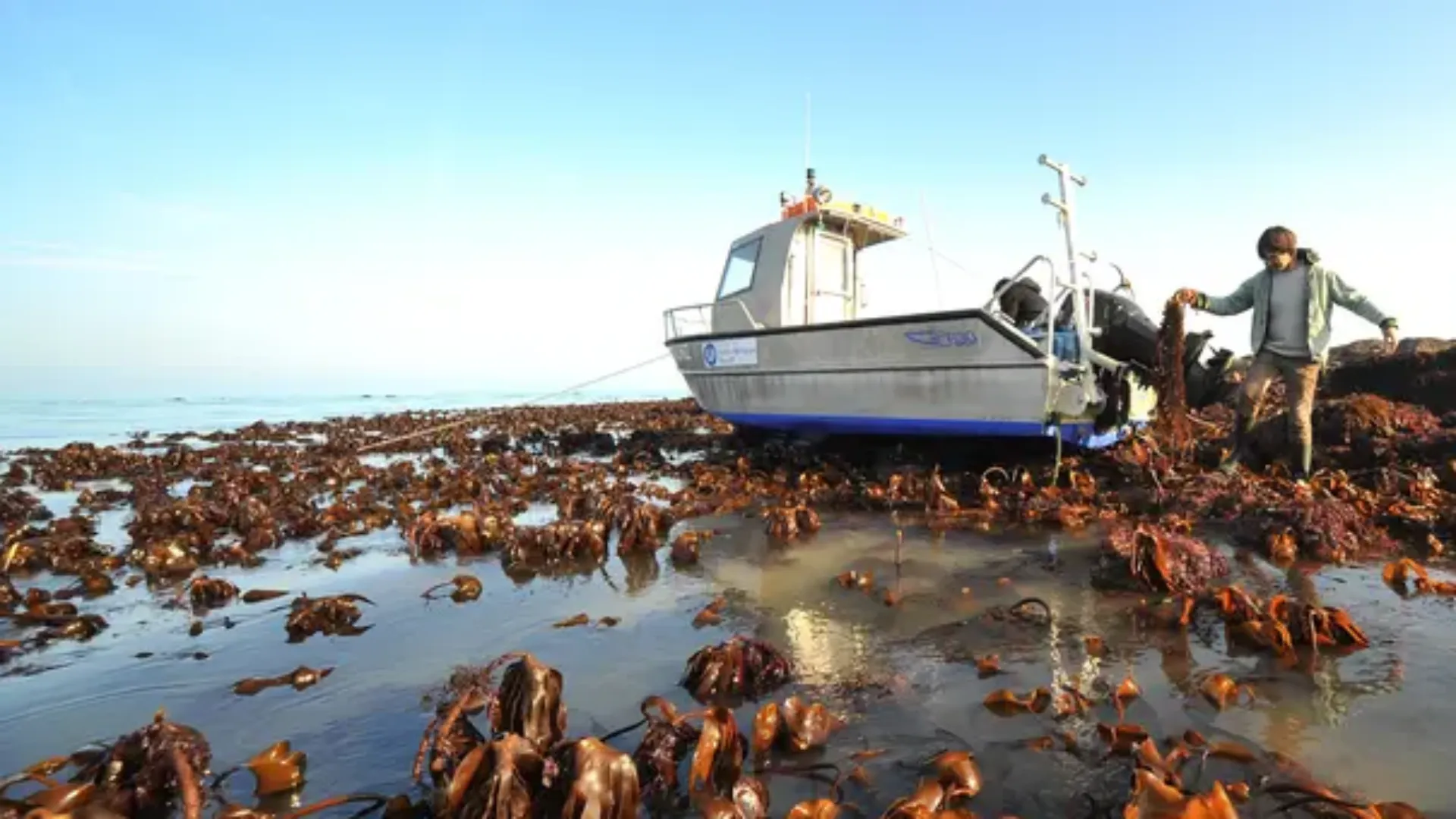
In the vicinity of the Roscoff Biological Station © W. Thomas
The contemporary sector
The port of Lanildut, located at the tip of Finistère, is the beating heart of a sector that combines sustainability and high technology.
- European primacy: with 35,000 to 40,000 tons of kelp landed annually, Lanildut handles nearly half of total French national production. This volume positions Brittany as a key player alongside Norwegian and Chilean markets.
- Scientific governance and regulation: the renewal of the resource relies on rigorous monitoring carried out by Ifremer and the MNHN.
- Quotas and licenses: access to the resource is strictly limited to around 35 licensed seaweed harvesting boats, with harvesting calendars indexed to algae reproduction cycles.
- Biological resting periods: regeneration of kelp beds, guaranteeing the maintenance of one of the densest and most diversified seaweed meadows in the world.
- Outreach and awareness: this territorial expertise is highlighted through events such as the Seaweed Forum, a true platform for exchange among professionals, scientists, and the general public to promote algae.
- Recognition and legal structuring: the integration of shore harvesters into the Brittany Regional Committee for Maritime Fisheries and Marine Farming in 2021 marked a historic turning point.
- Professional status: it protects operators against unregulated harvesting and secures their investments.
- Professionalization: it encourages the implementation of higher safety standards to meet the specifications of the pharmaceutical industry.
- Valorization ecosystem: the immediate proximity of research centers, such as the Roscoff Biological Station, creates a short circuit between raw biomass and molecular innovation. This competitiveness hub makes it possible to transform a volume resource into a value resource.
Technology transfer: located in Pleubian, the Center for the Study and Valorization of Algae, CEVA, acts as the technical spearhead of the sector. It converts fundamental research into industrial protocols, including pre industrialization and formulation, and manages sanitary standardization files for access to global markets.
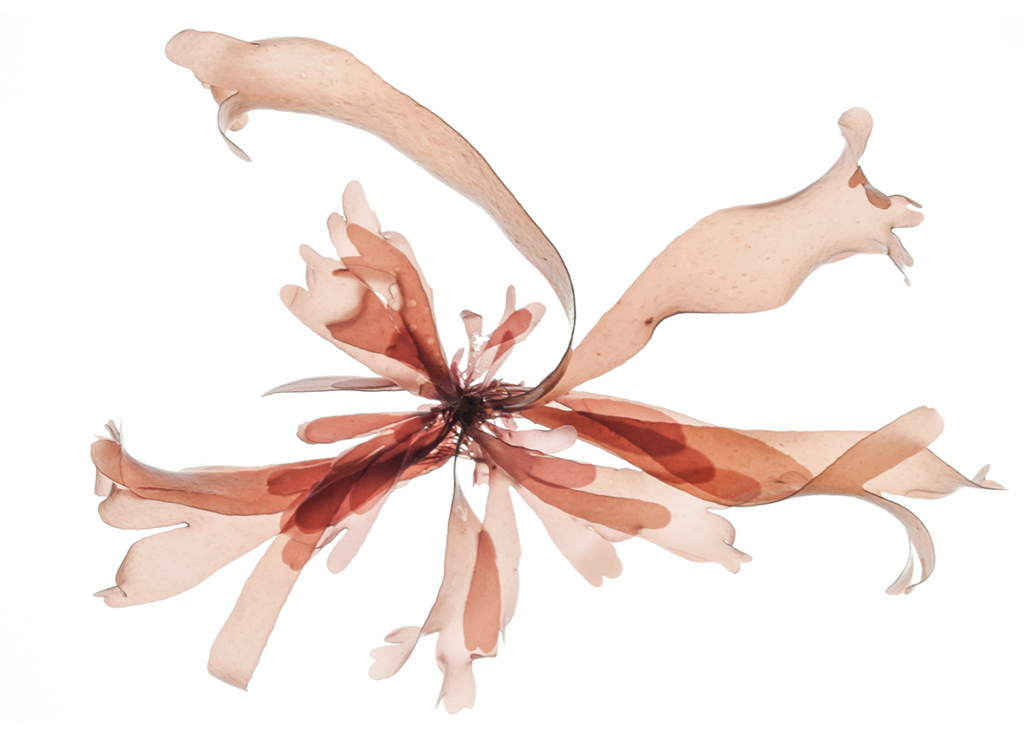
Organic Dulse from Brittany © Bord à Bord
From roots to strategic resources in South Korea: the empire of marine farms
A true global leader, the Republic of Korea has transformed a millennia old pattern of consumption into a technological powerhouse.
A unique cultural and social heritage
As early as the Goryeo era, 918 to 1392, algae were documented as a vital pillar of the Korean diet, marking an early divergence from European models. Records from the time show that seaweed consumption was not simply a fallback, but a codified medicinal practice: miyeok soup, made from Undaria, was already prescribed for postpartum recovery, laying the groundwork for a nutraceutical approach to the resource.
The history of the sector crossed a decisive threshold in 1424, during the Joseon dynasty, when the first attempts at managed cultivation were recorded. Under the reign of King Sejong the Great, primitive methods of collecting and managing marine rocks were established to secure supplies for the population, transforming a wild resource into an issue of national subsistence.
The haenyeo, women of the sea
The history of the volcanic island of Jeju is inseparable from the haenyeo, whose practice, inscribed in 2016 on UNESCO’s Intangible Cultural Heritage list, foreshadows the sustainability standards of 2026. This community embodies a unique social structure in which female economic autonomy rests on exceptional mastery of the marine ecosystem, historically reversing gender roles to make these divers the financial pillars of the household. This model is distinguished by:
- Selective freediving mastery: without breathing assistance, they collect algae and mollusks down to depths of 10 meters, thereby limiting harvesting to human physical capacity and preventing overexploitation of the resource.
- Strict community management: exploitation of the foreshore is regulated by cooperatives that prohibit modern technologies and impose biological resting periods to guarantee the sustainability of stocks.
- The symbolic use of the tae wak: this orange float, serving both as a safety marker and a storage container, symbolizes a form of artisanal precision mariculture.
A catalyst of soft power: beyond technique, the haenyeo have become ambassadors of an ethic of the ocean, positioning the Republic of Korea as a global reference point for sustainable and inclusive management of marine resources.
Video: The haenyeo of Jeju Island, freediving women inscribed on UNESCO’s Intangible Cultural Heritage list, perpetuate a tradition of sustainable harvesting of marine resources and embody a unique model of ecological and social stewardship of the oceans in South Korea. © UNESCO
Image : A haenyeo, a Korean woman diver, harvests miyeok from the sea . © TongRo Images Inc.
The scientific and industrial rise
South Korea has transformed its historical advantage into global technological dominance through an integrated research structure.
- A century old institution: expertise began in 1924 in Jeollanam do. Renamed the Seaweed Research Institute in 2023, this center is the world’s only hub dedicated to seaweed R&D and Blue Carbon.
- Genetic bank and selection: the country holds the largest bank of marine genetic resources in the region. This command of the reproductive cycle, through spores, enables precision varietal selection to optimize yields.
- Mass industrialization: the technological shift of the 1970s automated the processing of gim, or Pyropia. As a result, exports now exceed 1 trillion won.
- R&D priorities in 2026: under the aegis of the National Institute of Fisheries Science, NIFS, efforts are focused on:
- Thermal resilience: creation of varieties adapted to warming waters.
- Premium quality: research on Pyropia discoloration to secure export value.
- Aquaculture 4.0: development of sustainable techniques for green algae such as Capsosiphon fulvescens.
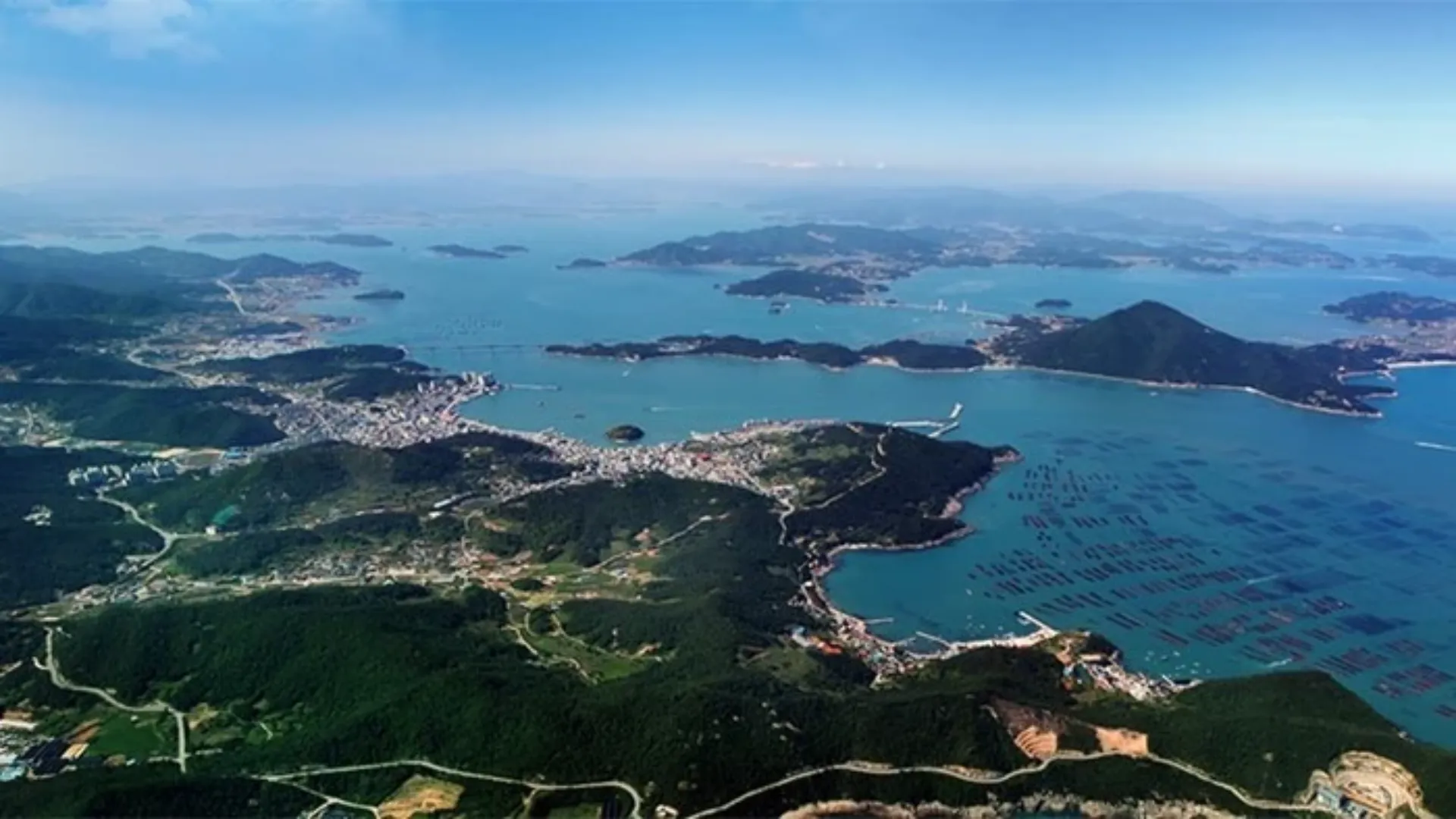
The Wando Archipelago © Wando County
The contemporary sector
Today, South Korea is the leading global exporter of Pyropia, serving more than 120 countries.
- Resilience and climate adaptation: the NIFS and its partners are deploying IoT networks that continuously monitor biophysical parameters such as temperature, pH, and nutrients. These data, processed by deep learning models, make it possible to dynamically adjust the immersion of cultivation lines to keep algae within thermally optimal water layers.
In synergy, the Aquatic Plant Variety Center, led by Eun Kyoung Hwang, selects strains capable of tolerating high ocean temperatures. This dual technological and biological approach secures yields and stabilizes reproductive cycles in the face of episodes of extreme thermal stress.
- K Food and soft power: leaders such as CJ CheilJedang are elevating algae to the status of cultural ambassadors through Gimbap (김밥) and dried gim snacks, making this resource a major geopolitical issue in the South Korean blue economy. This outreach strategy transforms a subsistence product into an icon of contemporary lifestyle, imposing Korean quality standards as the absolute reference on Western markets.
This international ambition, legitimized by the preservation of the marine ecosystem, notably within the Wando Archipelago, is recognized by UNESCO. This sanctuary of biodiversity guarantees sustainable exploitation and exceptional resource quality, pillars of the national strategy. The high point of this dynamic will be the Wando International Seaweed Expo 2026. After the successes of 2014 and 2017, this edition will focus on Aquaculture 4.0 and Blue Carbon, affirming the role of algae in global food security.
The Wando International Seaweed Expo 2026 stands as a global showcase for innovations related to algae and the structuring of the blue economy. © 2026 Pre-Wando International Seaweed Exhibition
Strategic convergence: the “Ocean Pact” within the blue economy
This unprecedented alliance between two maritime powers is orchestrating a highly precise transfer of expertise. By standardizing global standards, it transforms marine biomass into a pillar of development and structures the industrialization of marine algae on the scale of the international blue economy.
The bottleneck of standardization and sustainability
This framework acts as a catalyst of trust, transforming regulatory constraints to facilitate commercial expansion. Thanks to the scientific leadership of the CNRS, which now ensures the scientific steering of the world’s first global coalition for algae, the Safe Seaweed Coalition is harmonizing global health standards.
This alignment is materialized through a major industrial success: Haedam Co, a company located on Wido Island, became the first operation in the world to obtain joint ASC MSC certification for gim cultivation. It proves that South Korean production power can meet the strictest sustainability criteria. This recognition enables Korean products to meet the requirements of the European Food Safety Authority, EFSA, thereby securing transcontinental trade flows.
The interoperability of ASC responsible aquaculture, MSC sustainable fisheries, and organic labels facilitates the European integration of startups such as Algama, while the Korea Institute of Marine Science and Technology Promotion, KIMST, digitally certifies the origin of products via a biological passport 4.0. These mechanisms guarantee full traceability, from the farm to the factory.
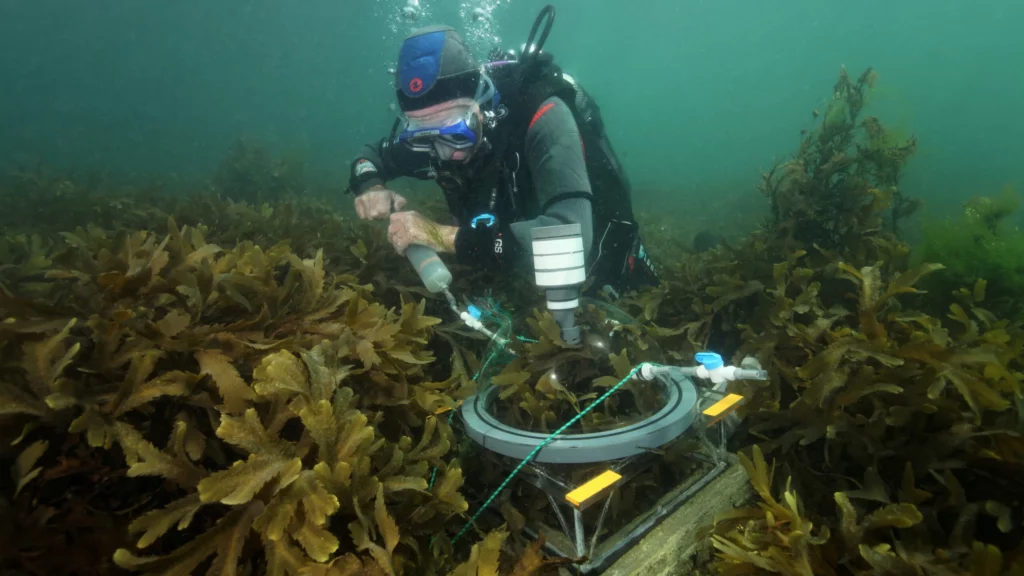
The Global Seaweed Coalition brings together global stakeholders to build a seaweed sector that is safe, sustainable, and fair. Its action supports the UN Sustainable Development Goals in the face of the climate challenge: food security and the regeneration of marine ecosystems © Safe Seaweed Coalition
R&D synergies: molecular haute couture
The technological core of this axis rests on a hybridization of scientific expertise:
- French precision expertise: the Roscoff Biological Station and Biotech Santé Bretagne are deploying green enzymatic extraction, isolating ultra purified active compounds, including polysaccharides and antioxidants, for pharmaceuticals without chemical solvents.
- South Korean resilience engineering: the NIFS and the Aquatic Plant Variety Center share their expertise in genetic selection to adapt Brittany based strains resistant to thermal stress.
- Cutting edge applications: this flow of expertise makes it possible to convert fundamental research into complex biomedical devices. This is the case with the Coalgan range, made of calcium alginate derived from marine algae. While sailors and seaweed harvesters were already using algae to treat wounds, the technological feat achieved in 1949 by pharmacist Pierre Brothier made it possible to transform this substance into sterile dressings with natural hemostatic and healing properties.
This scientific excellence nevertheless remains dependent on massive capital in order to achieve industrial scale deployment.
The financial architecture: propelling the sector toward 2030
The realization of this strategic axis relies on a massive mobilization of public and private capital, structuring industrial risk taking:
- French institutional support: the France 2030 plan, led by the General Secretariat for Investment, directs specific funding toward “industrial bioeconomy demonstrators.” This lever enables Breton SMEs to cross the valley of death between proof of concept and industrialization.
- South Korean private equity: the K Ocean Fund, dedicated to the blue economy, finances the international expansion of Smart Farming technologies. It encourages the establishment of South Korean infrastructure in Europe in partnership with actors such as Bpifrance.
European co funding: Horizon Europe programs support standardization initiatives through the Circular Bio based Europe partnership, CBE JU.
Major application sectors of the algae value chain
The valorization of algae is now divided into five strategic pillars, driven by global industrial leaders and disruptive startups. © 2026 Pre-Wando International Seaweed Exhibition
Marine algae are emerging as a cross cutting lever of the blue economy, serving numerous industrial sectors.
Human food and foodtech
A historical sector representing the largest volume, it is undergoing profound change thanks to biotechnological innovation.
- Direct consumption and snacks: the market is dominated by South Korea. Giants such as CJ CheilJedang, under the Bibigo brand, and Kwangcheonkim are industrializing Pyropia, or gim. This species is economically the most critical in South Korea, representing 68% of the total value of national production.
- Mass export: South Korea exported 525 million USD worth of Pyropia based products to 110 countries in 2018. Specialists such as Sewha Seafood Co. Ltd. and exporters such as Wang Globalnet structure this offer.
Ingredients and alternatives: in France, Algama develops microalgae based ingredients, while Bord à Bord focuses on fresh organic algae. The South Korean startup SeaWith Inc. creates culture supports to produce synthetic meat.
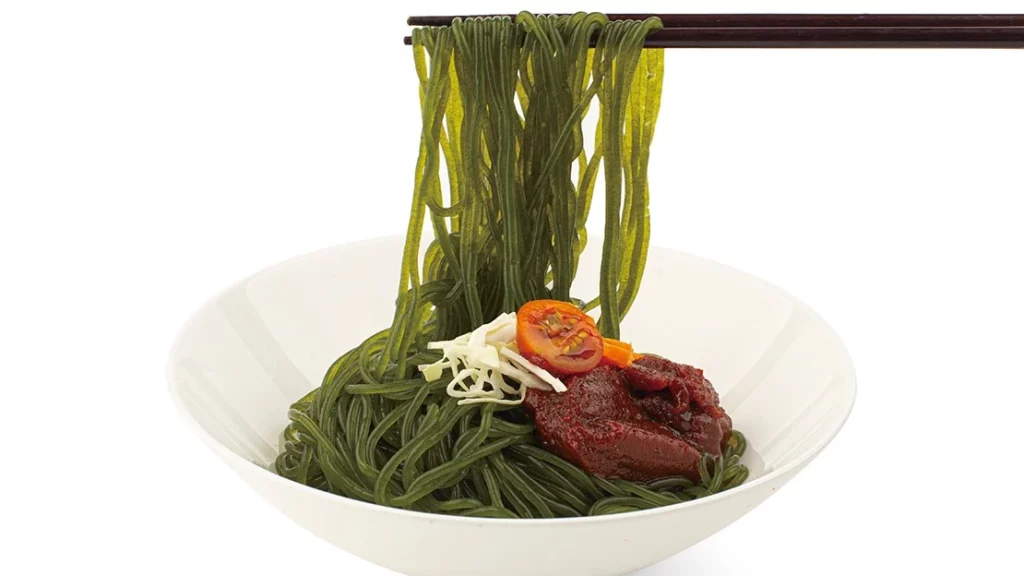
Miyeok is low in calories and rich in minerals and vitamins, often used in noodle based products as a substitute for wheat noodles. © TongRo Images Inc.
Health, medical, and dermocosmetics
A high margin sector, this field is based on the extraction of complex molecules in which Brittany holds scientific leadership.
- Marine biotechnologies :
- Polymers and circularity: Algaia extracts natural polymers, alginates, to create bio based alternatives to synthetic products, essential for stabilizing industrial formulations.
- High end enzymology: AberActives uses biological catalysts, enzymes, to isolate exceptionally pure active ingredients while preserving molecular integrity without aggressive chemical solvents.
- Immunomodulation: Olmix Group valorizes sulfated polysaccharides to stimulate the natural defenses of living organisms, thereby limiting the use of chemical inputs and antibiotics.
- Medical devices: Coalgan industrializes the use of alginate fibers for wound healing.
The origin of this technology dates back to 1949, when pharmacist Pierre Brothier achieved the technological breakthrough that enabled the transition from artisanal extraction to medical surgical production.
- Dermocosmetics: Microphyt uses large capacity tubular photobioreactors to cultivate fragile microalgae in closed systems under strict environmental control.
Thanks to its proprietary Camargue technology, the company extracts rare bioactive molecules, such as fucoxanthin, designed to prevent skin aging and improve cognitive function.
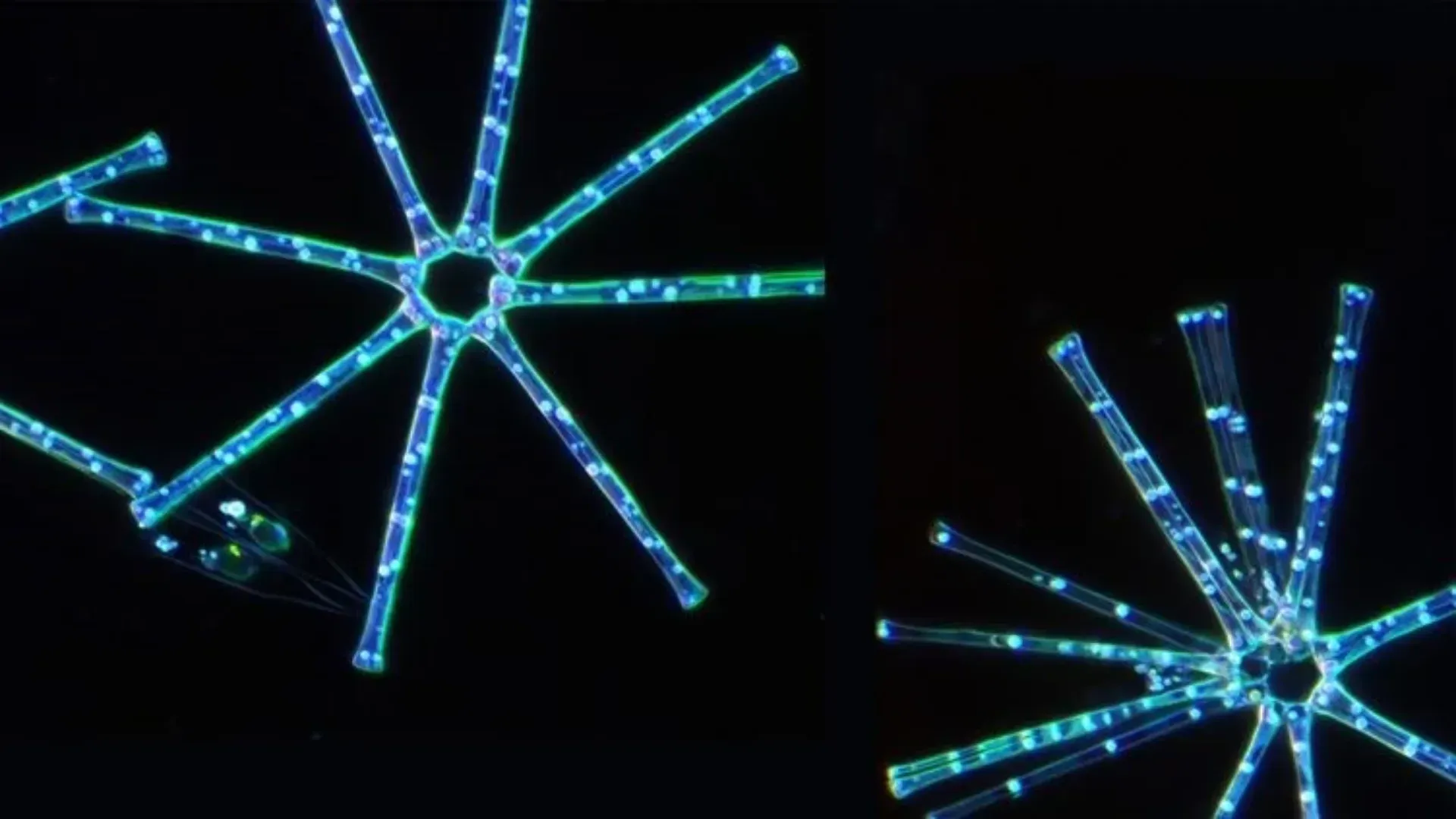
Asterionella formosa: a delicate microalga perfectly suited for cosmetics © Microphyt
New materials and environment
Replacing plastics is a major challenge for hubs such as Songdo’s IFEZ.
- Packaging and bioplastics: the South Korean startup Marine Innovation develops bioplastics made from red algae. In France, innovation is led by actors such as Algopack, a pioneer in creating rigid materials from industrial brown algae waste, eliminating any reliance on petroleum.
- Breakthrough technology: Eranova has developed a globally patented process to transform stranded green algae into bioplastic resins. This technology turns an ecological nuisance, green tides, into a bio based, recyclable, and compostable resource suited to the requirements of the circular economy.
Climate engineering: industrial CO2 capture is carried out by Blue2.Tech. This company deploys bioconversion solutions using microalgae. The resulting biomass is then valorized into green energies or molecules of interest, transforming an environmental liability into a circulating economic asset.
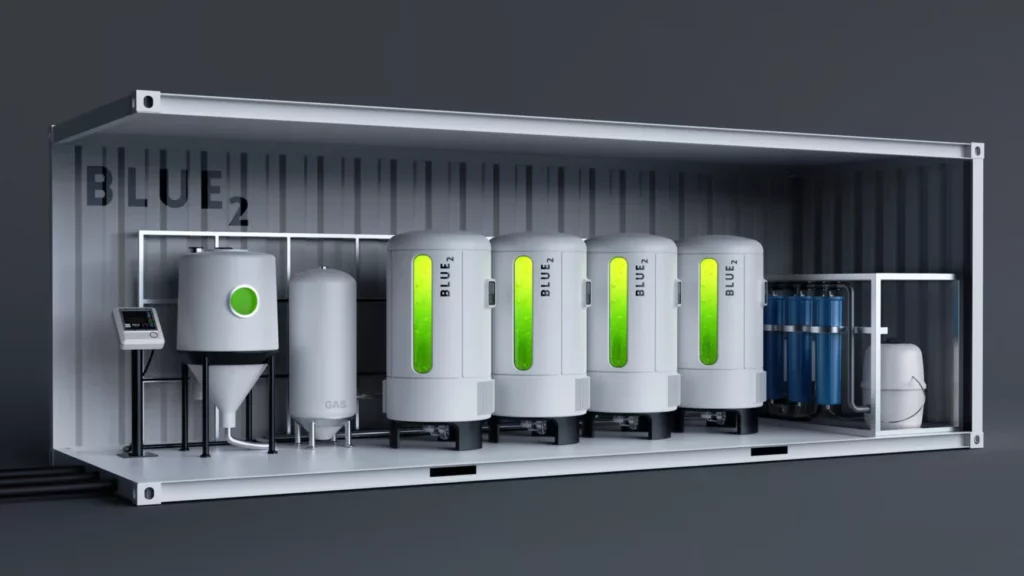
Blue2.Tech transforms CO2, a costly waste, into a valuable resource for the chemical, cosmetic, pharmaceutical, and nutraceutical industries. © Blue2.Tech
Agriculture and animal nutrition
Transition toward resilient, low carbon agriculture.
- Biostimulants: Olmix Group improves soil health and crop resilience through the extraction of sulfated polysaccharides derived from macroalgae. An expert in biotechnology, the group deploys solutions that stimulate the natural defenses of plants in order to reduce chemical inputs.
As a counterpart, the Marine Ecology and Green Aquaculture Laboratory, MEGA Lab, at Incheon National University develops precision biostimulants from the algae Sargassum horneri. This research aims to transform an invasive biomass into high value solutions capable of increasing the thermal tolerance of crops and restoring the biodiversity of marine ecosystems.
This One Health approach secures agricultural yields against the climate hazards of 2026 by increasing crop thermal tolerance.
- Sustainable livestock farming: the Meth’Algues project, led by CEVA, develops feed additives based on local algae in order to reduce enteric methane emissions in cattle.
By replacing synthetic or imported solutions with endemic Breton resources, this initiative secures the low carbon trajectory of livestock farming while modernizing the historical use of goémon through a scientific precision approach.
Integrated biorefinery and cascading valorization
This model consists of refining each biological fraction without generating waste. It thus fully illustrates the circular potential of marine algae within the blue economy.
- Sequential fractionation: inspired by the European GENIALG project and the solutions developed by Seaweed Concept, this protocol secures the entire value chain. The innovation is based on local logistics and modular processing units that preserve molecular integrity from the moment of harvest.
The process begins with the isolation of thermosensitive high value compounds, pigments and pharmaceutical ingredients, followed by proteins and polysaccharides.
- Total circular economy: the final stage valorizes cellulose and residual fibers, either as biomethane injected into local networks or as new materials.
- Carbon assets: this zero waste cycle is completed by measurement tools that precisely quantify CO2 sequestration. This data transforms the ecological benefit into a concrete financial asset, making it possible to integrate the sector into global carbon credit markets.
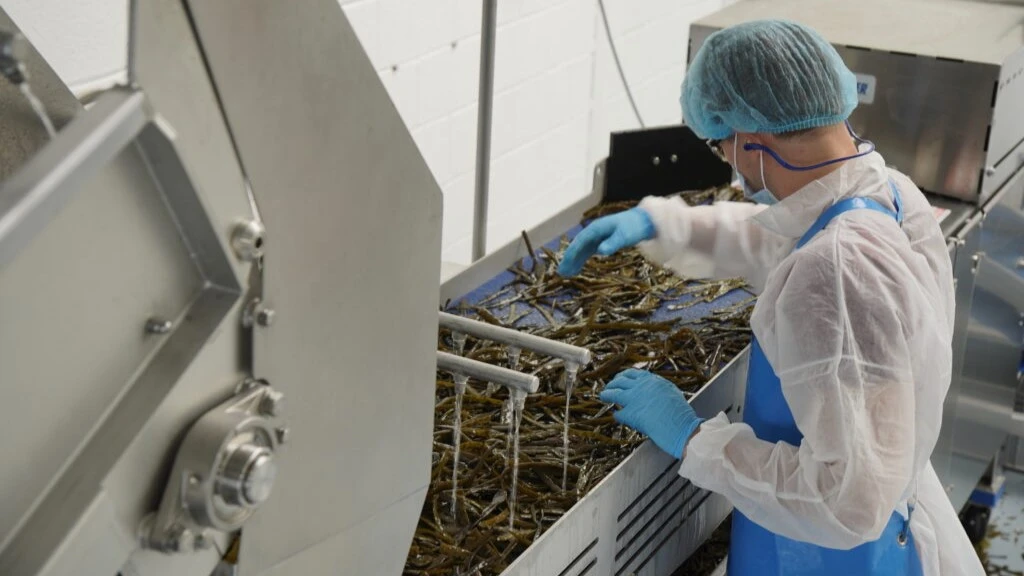
Based in Brittany, Seaweed Concept valorizes marine resources to provide industries with high quality biotechnological ingredients available all year round. © Seaweed Concept
Toward the algae revolution
France–South Korea ties are part of a broader movement whose fundamental principles are set out in the Seaweed Manifesto.
How could we not conclude with this foundational text, carried by the Global Seaweed Coalition. It defines the pillars of an industry capable of sustainably meeting the needs of 9 billion people by 2050:
- Food and nutritional security: replacing terrestrial proteins with marine alternatives that have a low water footprint.
- Ecosystem restoration: transforming aquaculture into an active tool for biodiversity regeneration and carbon sequestration.
- Safety and standardization: establishing global standards, sanitary, ecological, and operational, to secure market confidence and facilitate international trade.
- Innovation and industrial substitution: accelerating the replacement of petrochemical products, plastics, textiles, fertilizers, with circular bio solutions based on algae.
- Social equity: ensuring that the growth of the blue economy directly benefits coastal communities.
By combining Breton scientific excellence with South Korean industrial power, this strategic axis does more than build a sector: it brings the vision of the Manifesto to life by making algae a solid foundation of planetary resilience in 2026. Through this dynamic, the blue economy no longer merely exploits marine resources, it redefines the way we produce, innovate, and coexist with living systems.