

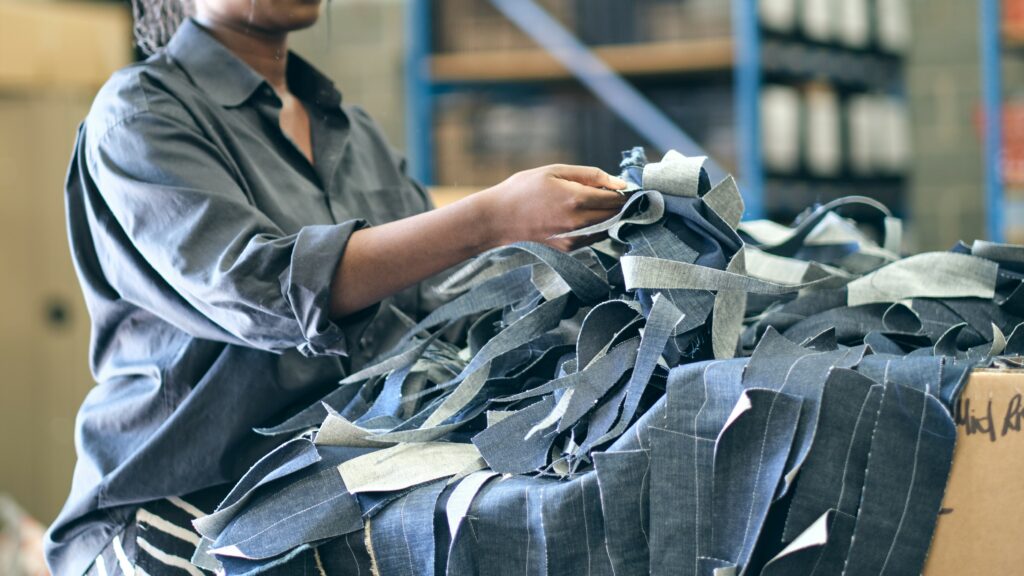
A cotton textile may have reached the end of its useful life as a fibre without exhausting its industrial value. Cotton textile waste still contains 82–96 % cellulose. When fibre length, strength or uniformity no longer support another high-value textile loop, that cellulose can become glucose, a fermentation substrate, a chemical intermediate or a biopolymer.
The growing scale of the waste stream is intensifying the search for viable outlets. According to the European Environment Agency, the European Union generated 6.94 million tonnes of textile waste in 2022, equivalent to 16 kg per person. Less than 15% was captured through separate collection systems. Since 2025, the EU requirement for separate textile collection has increased the volumes that must be directed towards reuse, recycling or other recovery routes.
For part of the cotton waste stream, the recycling frontier is now moving below fibre scale: cellulose is becoming a feedstock for new industrial value chains.
Blue Jeans Go Green™, launched by Cotton Incorporated in 2006, already converts used denim into insulation, thermal packaging and padding. This first loop preserves the fibre and gives it a new use.
DeepTech approaches go further: when the fibre loses its functional value, they exploit the cellulose itself and the molecules it can produce.
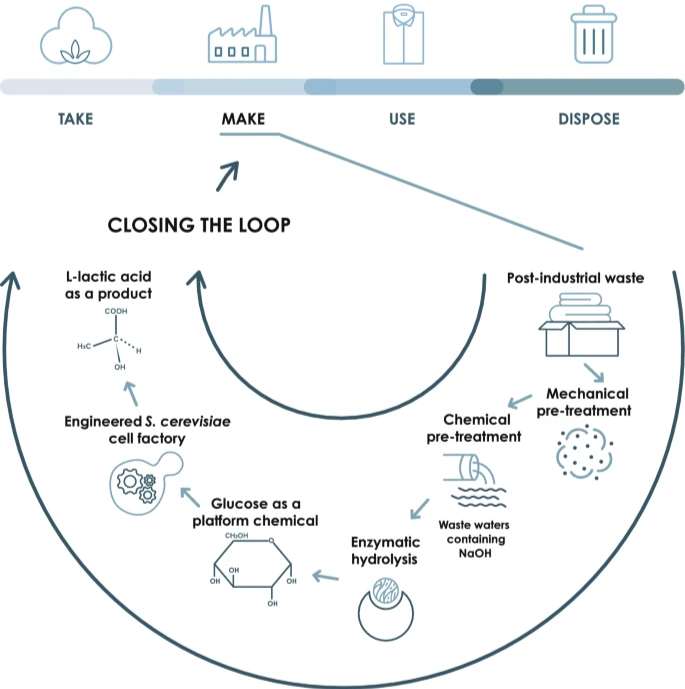
Valorisation of post-industrial cotton waste: chemomechanical pretreatment, enzymatic hydrolysis to glucose, followed by fermentation with Saccharomyces cerevisiae to produce lactic acid. © Microbial Cell Factories / Springer Nature
From textile to glucose
Cotton Incorporated develops a Cotton-to-Sugar pathway
Cotton Incorporated has been developing Cotton to Sugar for several years, a platform designed to convert cotton textile waste into glucose.
US Patent 11,421,257 B2 describes a process combining mechanical preparation, acid pretreatment and enzymatic hydrolysis. Performance depends on cellulose accessibility and the chemistry of the incoming textile feedstock.
Dyeing markedly alters that accessibility. In work conducted with North Carolina State University, dyed black cotton achieved around 60% glucose conversion without oxidative treatment, compared with approximately 95% for undyed cotton. Combining mechanical refining with chlorine-free oxidation increased conversion of the black cotton to around 90%. US Patent 12,351,983 B2 extends this work on pretreatment and decolourisation.
Dyes, finishes and the physical structure of the textile therefore become variables in conversion yield.
Cotton to Sugar: conversion of cotton textile waste into glucose for new bio-based applications. © CottonWorks™ / Cotton Incorporated
Moving to pilot scale changes the equation
Cotton Incorporated’s trials in stirred reactors have highlighted the influence of heating and thermal control on enzyme stability
The programme remains active in 2026. Cotton Incorporated’s 2026 Request for Proposals explicitly targets value-added applications for glucose derived from Cotton to Sugar, including bioplastics and biochemicals, as well as outlets for residual cellulose from the process.
Glucose becomes a biomanufacturing feedstock
Glucose becomes a biomanufacturing feedstock
Post-industrial waste from ’Albini Group, whose research into new materials, green chemistry and circularity is supported in part by its innovation hub ALBINI_next, was used by the University of Milano-Bicocca to demonstrate an end-to-end route from textile waste to a chemical intermediate.
The offcuts analysed contained 92% cellulose. Following pretreatment and enzymatic hydrolysis, 90.46% of the sugars were recovered, yielding a glucose concentration of 74.96 g/L. The process also reused an alkaline effluent from mercerisation during pretreatment, as detailed in the study published in Microbial Cell Factories.
This glucose was then fed to a modified strain of Saccharomyces cerevisiae, producing 53.04 g/L of lactic acid at a yield of 82.7%.
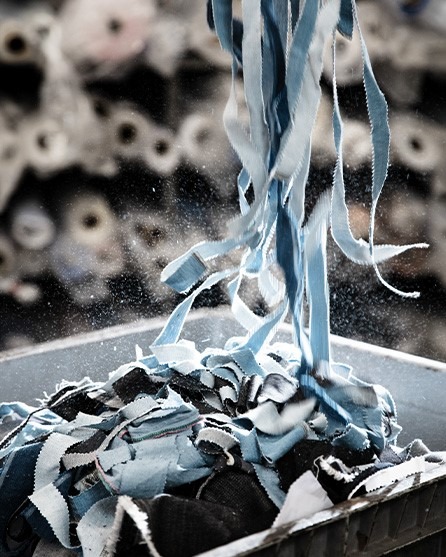

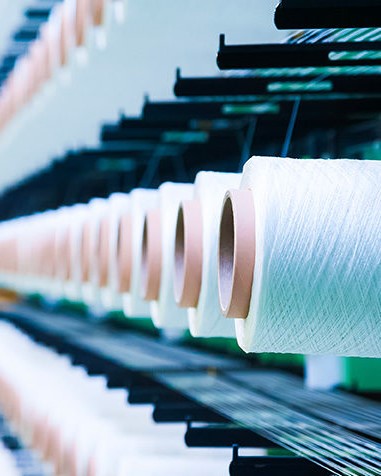
ALBINI_next explores new uses for textile materials and by-products. © Albini Group
From cotton-derived glucose to biopolymer
Another pathway uses Cupriavidus necator to convert glucose derived from cotton waste into P3HB, a biopolymer.
In a 2025 study published in Polymers, two cotton hydrolysates supplied by Cotton Incorporated were tested in a 2-litre stirred bioreactor. Under the conditions studied, they produced more P3HB than the commercial glucose used as the reference, while delivering comparable thermal properties. Biological yields still require optimisation before industrial scale-up.
The cotton thus supplies the carbon for a polymer absent from the original textile.
Polycotton becomes a fractionation challenge
Avantium fractionates polycotton into sugars and monomers
Cotton-polyester textiles present one of recycling’s most difficult challenges: two physically intertwined yet chemically distinct polymers.
Avantium’s Dawn Technology® hydrolyses the cellulosic fraction while preserving the polyester for separate valorisation. It is designed in part to produce second- and third-generation sugars from residual feedstocks. In a 2025 paper published in Nature Communications, a textile comprising 44% cotton and 56% polyester achieved a 75% molar glucose yield. The process was tested at pilot scale in a 230-litre reactor using post-consumer waste.
The residual polyester was subsequently depolymerised by glycolysis to produce BHET at an isolated yield of 78% and a purity above 98%.
These sugars could ultimately feed the group’s bio-based chemistry platform. Its YXY Technology converts plant-derived sugars into FDCA, the monomer used to produce PEF, marketed under the Releaf® brand. The current FDCA plant still operates on glucose or fructose derived from starch, while Dawn Technology® opens the possibility of eventually supplying the same value chain with sugars recovered from residual feedstocks.

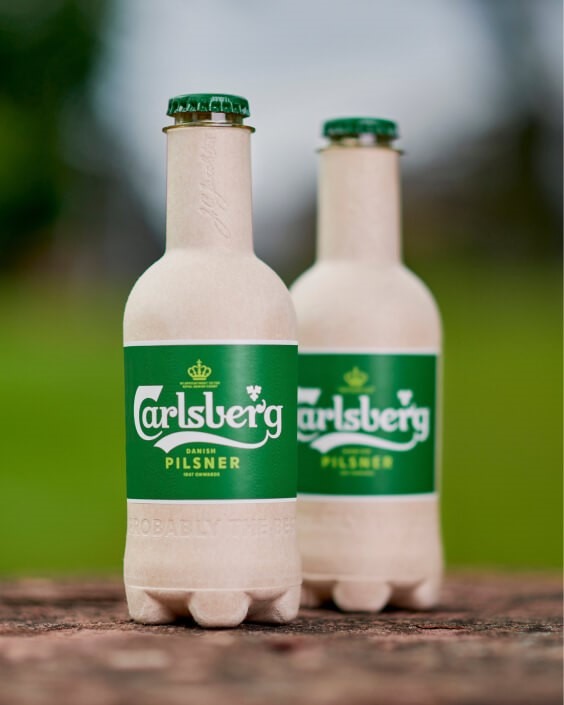

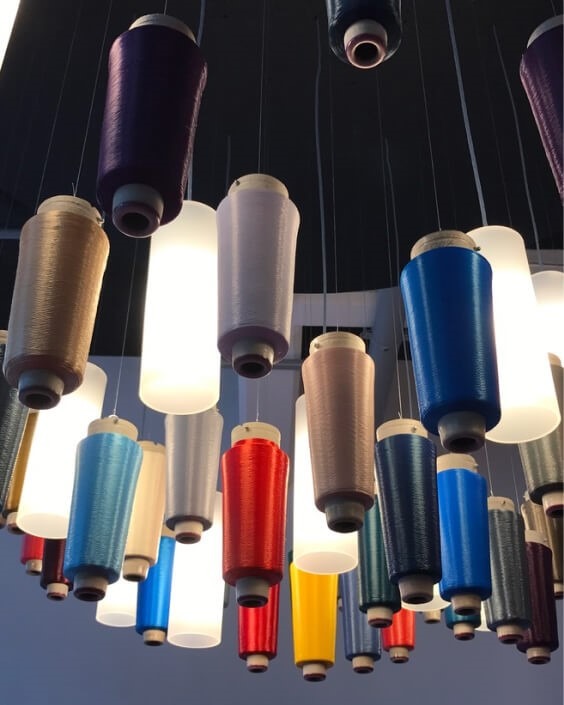
Collaborations with LVMH, Carlsberg, PANGAIA and Auping, spanning apparel, packaging and furniture. © Releaf®
Circ takes fractionation towards industrial scale
Circ uses a different process architecture. Its hydrothermal process separates polycotton blends to recover cotton cellulose and polyester components, which can re-enter textile production chains.
The separation already yields commercially viable materials, including Circ® Lyocell, made from recycled cellulose derived from textile waste. Following an initial collaboration in 2023, Zara launched a new collection in 2024 using Circ® Lyocell containing 50% recycled textile waste.
In Saint-Avold, Moselle, the company is preparing a facility capable of processing 70,000 tonnes of textile waste per year, with more than 90% material recovery and full commissioning planned for 2029.
Avantium directs the cotton fraction towards glucose and chemistry. Circ keeps cellulose on a regenerated-textile pathway.
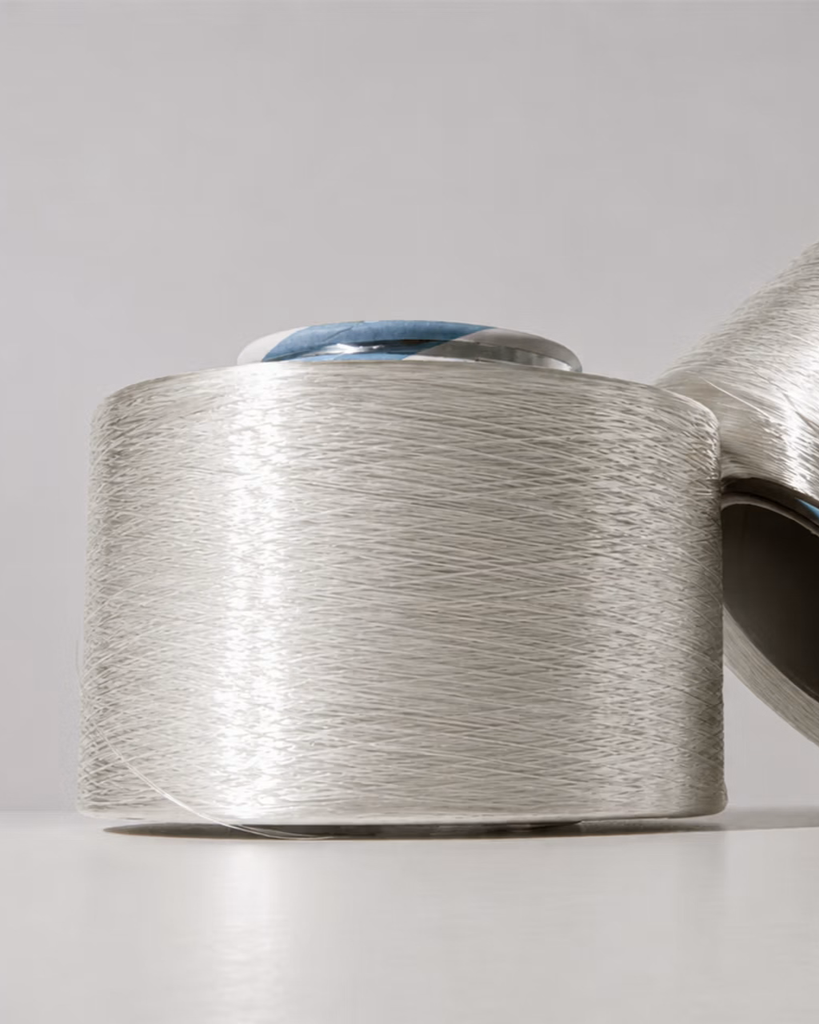
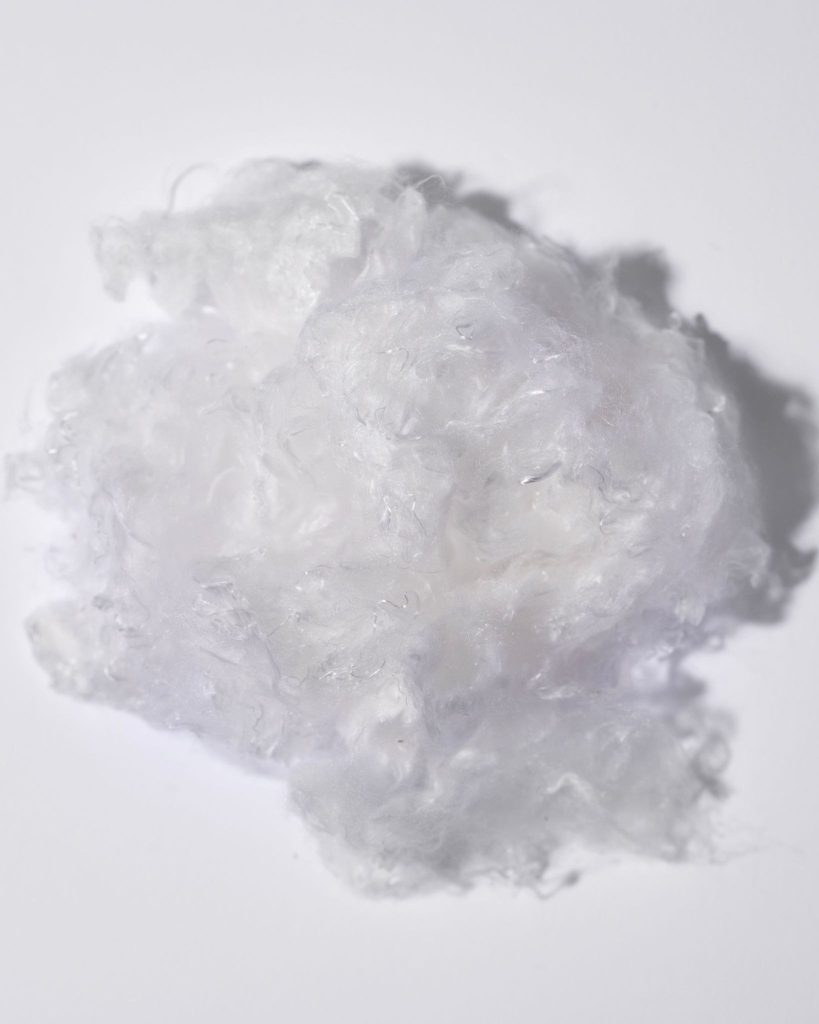
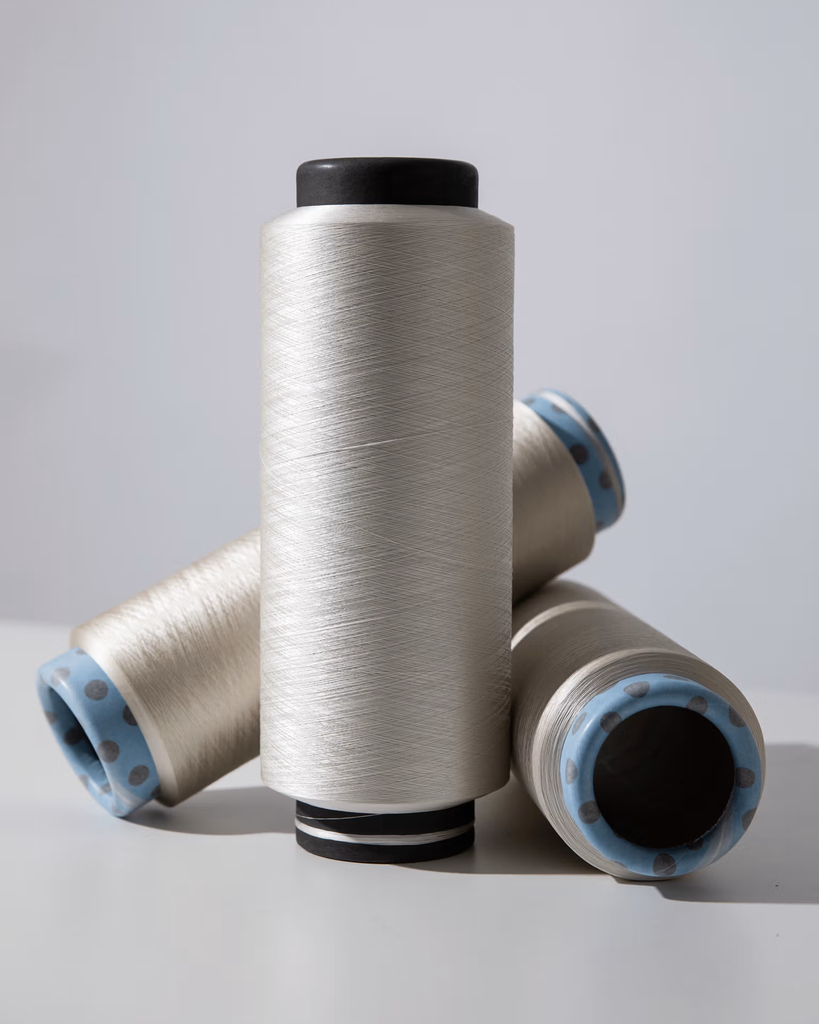
Circ® Lyocell / Circ® Viscose / Circ® Polyester © Circ

Zara x Circ collaboration: recycled polycotton converted into Circ® Lyocell for re-entry into the textile value chain. © Zara / Circ
Value hinges on choosing the right level of transformation
Technical yield alone is not enough to determine an industrial pathway. Textile composition, degree of wear, polyester content, dyes, finishes, energy, water, reagents, enzymes, fraction separation and co-product value all alter the equation.
This is particularly evident in polycotton. Recovered polyester can account for a decisive share of the economics of a process that simultaneously produces glucose. A techno-economic analysis published in the Chemical Engineering Journal modelled a plant producing 14,000 dry tonnes of glucose per year from cotton-containing textile waste.
Across the scenarios examined, CAPEX was estimated at between US$5.6 million and US$7.9 million, with manufacturing costs ranging from US$215 to US$475 per tonne of glucose. The 50/50 cotton-polyester scenario delivered the lowest calculated minimum selling price, at approximately US$290 per tonne, owing to the value of the recovered polyester.
The same analysis shows that pretreatment can account for up to 70% of the emissions associated with enzymatic hydrolysis in some process configurations described in the literature, compared with around 10% for the combined mechanical-refining and oxidation process examined by the authors.
Carbon yield, energy, water, enzymes, reagents, purification and the value of recovered fractions therefore need to be optimised together.
Technology choice ultimately depends on the point at which the material retains the greatest value.
The European waste hierarchy maintains the priority of prevention, reuse and then recycling. A fibre that remains long, strong and uniform retains more value within a textile loop. Wear, blends, dyes, finishes and contamination progressively make deeper forms of transformation more relevant.