

At the start of 2026, industry is completing its profound transformation. The “extract-produce-dispose” model is collapsing under the weight of carbon taxes and resource scarcity. For business leaders, the new frontier of performance no longer lies solely in optimizing outgoing flows, but in the biological control of their land assets. Welcome to the era of bioconvergence applied to infrastructure and industrial bioremediation.
Bioremediation: soil decontamination as a source of value
Industrial land is no longer an inert liability but an asset that can be freed from its toxic burdens.
With nearly 80% of European industrial land polluted, Biomede is turning this constraint into an opportunity. Its phytoextraction technology uses plants to extract copper, lead, and zinc. This technology is an advanced bioremediation solution based on phytoremediation techniques.
➨ It is no longer a decontamination expense, but a revaluation of the land asset that secures the off-balance-sheet value and land sovereignty of the site.
Programming: the soil’s operating system
After the bioremediation phase, the soil must be reactivated, paving the way for true soil regeneration.
Starfish Bioscience decodes the microbiome, the invisible DNA of the soil, to restore essential bacteria. By mapping this ecosystem, the company identifies missing functions to restart the natural nutrient cycle.
➨ It is the installation of living software that restores the soil’s autonomy and natural defense capabilities, paving the way for intensive and sustainable production.
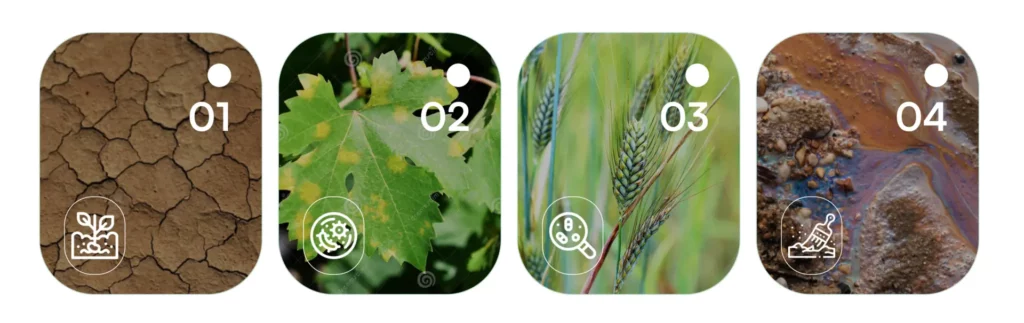
Soil decontamination is part of a comprehensive soil regeneration strategy. © Starfish Bioscience © Starfish Bioscience
Deploy: data-driven symbiosis
On this reset soil, the plant must rediscover its natural allies to maximize its resilience.
Using a unique data science platform, Mycophyto selects native fungal strains and recreates optimal natural symbiosis. This system acts as a true “probiotic” for the plant, multiplying its ability to absorb nutrients and reducing inputs.
➨ Yields up 15% to 50% and water retention up 20%: a real safeguard against water stress and rising chemical fertilizer prices.
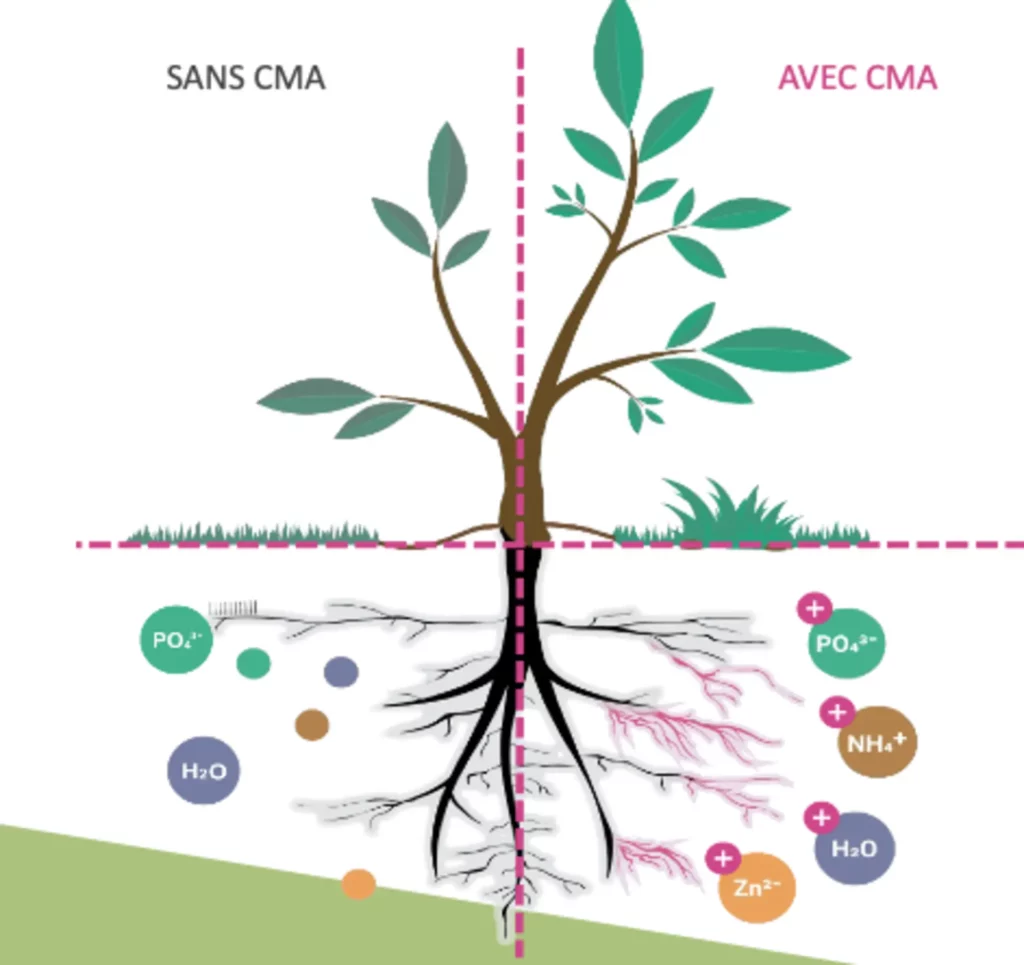
CMAs enhance soil regeneration by improving water and mineral absorption after bioremediation. © Mycophyto
Protect: operational excellence without chemicals
The loop is closed by securing assets and stocks without compromising the health of living organisms.
Innofenso is transforming the sector by replacing chemical inputs with biocontrol solutions based on beneficial insects, such as trichogramma wasps. Their approach, based on the behavioral intelligence of living organisms, protects infrastructure from pests without leaving toxic residues.
➨ By eliminating carcinogenic substances, the company protects the health of its operators, strengthens its employer brand, and reduces its provisions for health risks.
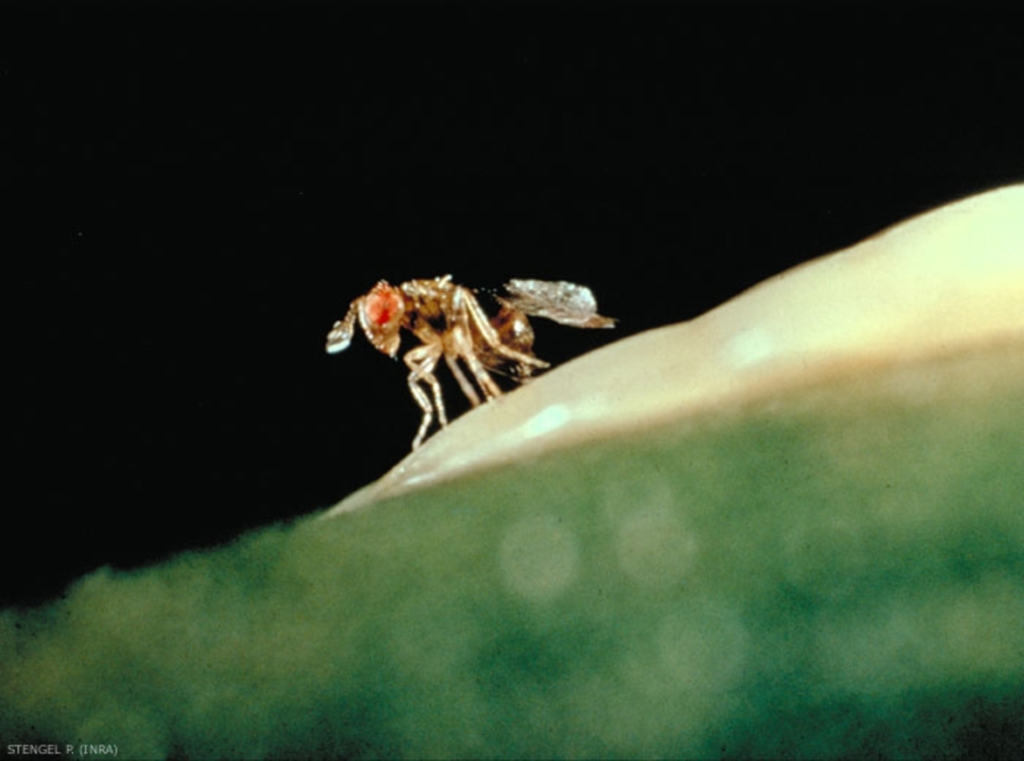
Biocontrol using Trichogramma wasps helps protect crops without chemical inputs, in line with a comprehensive soil regeneration strategy. © Ephytia
Management: traceability for regeneration
Precision management is essential to orchestrate this biological complexity and validate results.
As the first all-in-one management software for mixed farming, the Baoba platform has established itself as the benchmark tool for connecting field operations to strategic objectives. This is the choice made by GAEC des Ours (F-26410 Glandage), a certified organic farm, where managers Jonathan Granon and Barbara Lefevre now use Baoba to manage their animal and plant production with a 360° view. By centralizing herd and plot data while simplifying exchanges with technical advisors, the tool reduces workload by 50% and secures decision-making.
➨ It is no longer a simple administrative task, but a true traceability of asset health that allows for the certification of real soil regeneration.
Macro summary: the dividend of 2026
The integration of these four pillars of French DeepTech: Biomede, Starfish Bioscience, Mycophyto, Innofenso and Baoba enables organizations to reap a triple dividend: Economic, through reduced input costs; Ecological, through the restoration of biodiversity and sustainable soil regeneration, and Strategic, through total operational independence. Bioremediation thus becomes the strategic entry point for large-scale soil regeneration and the complete transformation of industrial metabolism. This logic of autonomy and regeneration is part of international dynamics that we have supported, notably through our collaboration with the World Vegetable Center.