

Yachting has been built around a special relationship with the sea, based on passion and exploration. This attachment to marine environments is part of a global transformation, marked by evolving uses, mature technologies and growing environmental demands.
The sector is therefore faced with a central question. How can design, performance, and environmental responsibility be reconciled?
Innovation in yachting is no longer limited to adding technical solutions; it is becoming a structuring element for rethinking the sector’s uses and impact. Sustainable yachting solutions are gaining in credibility. They are part of concrete projects, developed by actors who are setting a new standard.
Think.Green explored these links in an article dedicated to the restoration of coral reefs in the Red Sea, highlighting the links between scientific research, ecosystem protection and sustainable yachting.
This article analyzes the role of design and innovation in structuring this approach, responding to the demands of performance, comfort and experience at sea.
From the Traditional Model to Technological Exemplarity
Although the sector’s footprint is being questioned, this pressure is becoming the catalyst for profound reinvention. The ability to reconcile luxury and responsibility will determine the future value of the market.
This perception affects the sector’s social acceptability at a time when the luxury industry is facing growing demands for transparency. Moreover, stricter regulations are imposing enhanced protection of ecosystems and accelerating the deployment of low impact technologies. In this environment, communication must rely on measurable indicators to ensure credibility in the eyes of expert observers.
The sector’s historical image no longer reflects the reality on the ground. For several years, pioneers have been developing deeptech solutions. The maturity of these innovations gives the industry the opportunity to assert its role as a laboratory of sustainable excellence.
When innovation becomes a new yachting standard: from experimentation to credibility
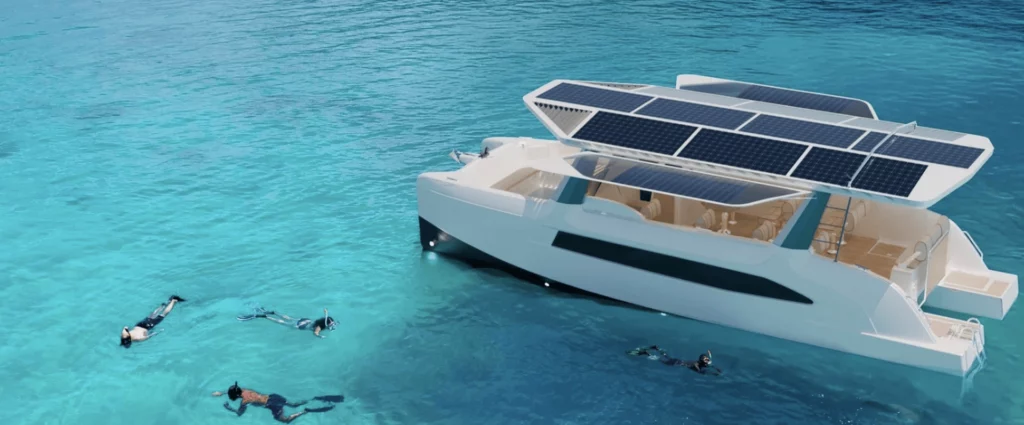
Millikan Boats M.10 Pro electric and solar boat, embodying innovation in sustainable yachting, photo : Millikan Boats
Innovation has long attracted interest without establishing itself as a driving force. This situation is now evolving thanks to technological maturity and changing regulatory expectations.
Electrification, energy optimization, and the integration of solar technologies demonstrate the feasibility of ambitious objectives. These developments are transforming the image of yachting, now associated with impact control and system efficiency.
Projects like Millikan Boats illustrate this transition. With boats combining electric propulsion and solar energy, the company offers an approach where design and performance form a coherent whole. The Gussies Award-winning M.10 model places these solutions in a credible, high-end market.
In the same way, Vita Power demonstrates that electric propulsion meets the need for speed. The company is changing people’s perception of electricity by positioning its units for demanding uses.
These projects are now steering the sector toward high performance solutions integrated from the design stage. Sustainability is becoming a design standard that actively shapes market expectations.
The central role of design in sustainable yachting
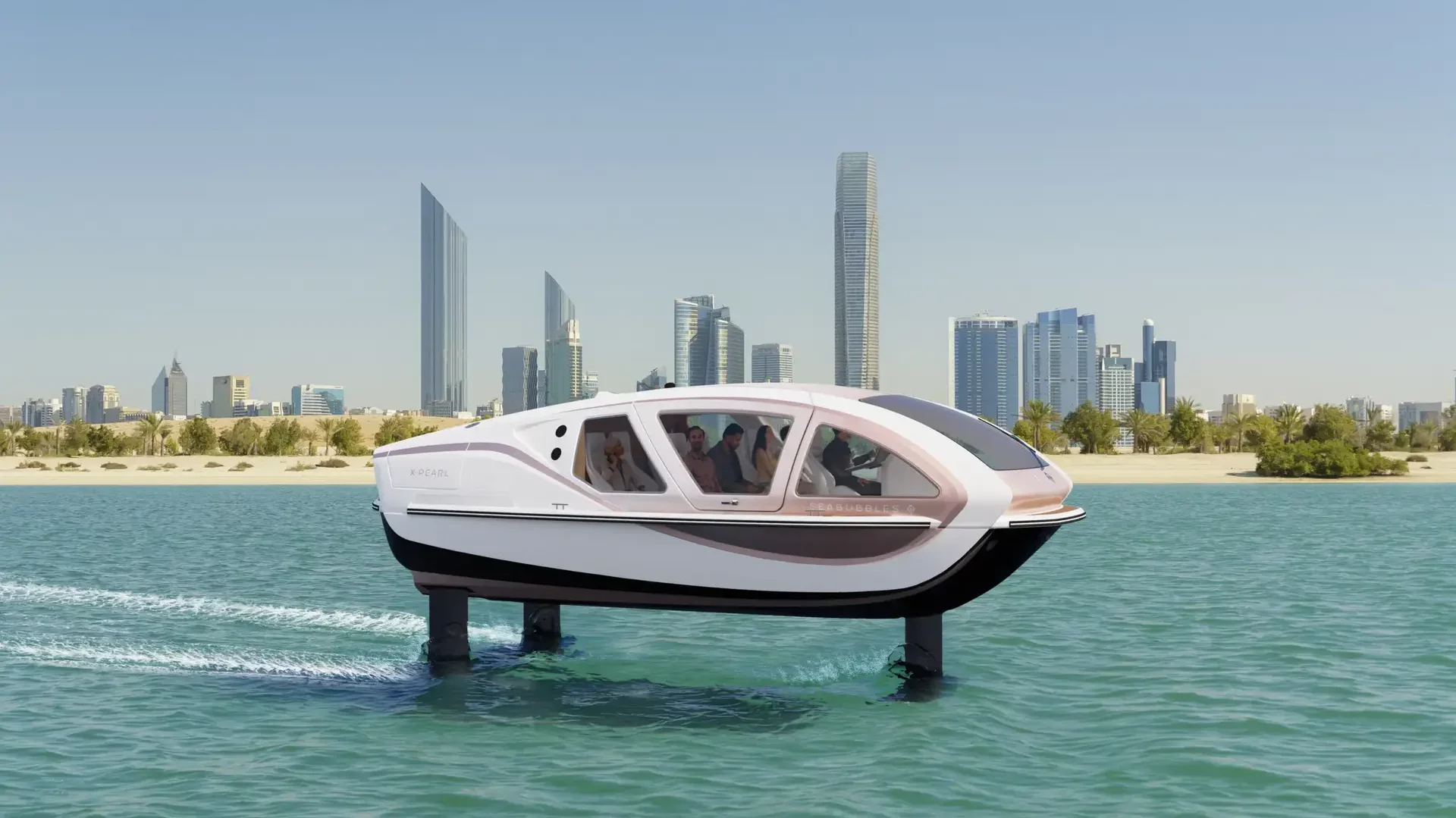
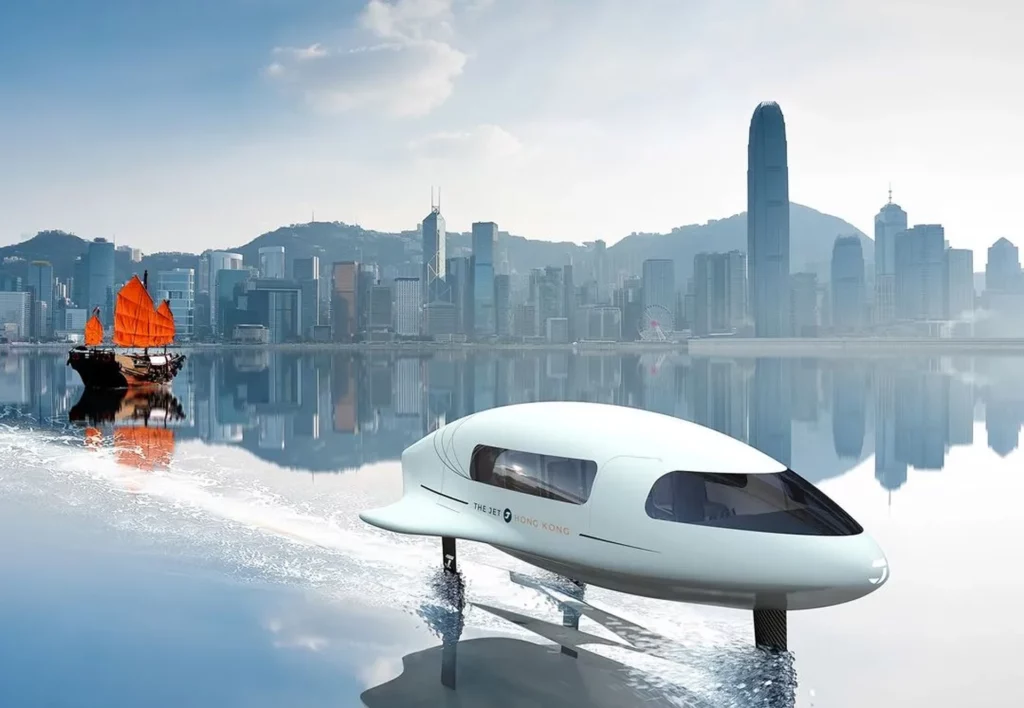
The X-Pearl illustrates the role of design in performance and innovation in sustainable yachting, photo : SeaBubbles
Design: The Catalyst for Performance and Innovation
In the context of the environmental transition, design plays a decisive role. It directly shapes both performance and the experience at sea.
It determines energy efficiency, autonomy, and user comfort. It is a tool for global optimization in the service of reducing environmental impact.
The work of architects and engineering firms such as Caponnetto Hueber shows how optimized design improves hydrodynamic performance thanks to advanced digital simulation.
Similarly, the boats in the Phoebus project, supported by Bateauxpourlaplanète, are designed from the beginning to be self-sufficient and recyclable. Here, design structures the entire project, from the choice of materials to the organization of uses. This systemic approach was recognized in 2025 by the Trophées Horizons.
These examples highlight design as a strategic lever capable of linking innovation and responsibility. This approach helps transform the image of yachting, now associated with efficiency and foresight.
Visibility needs of sustainable yachting actors
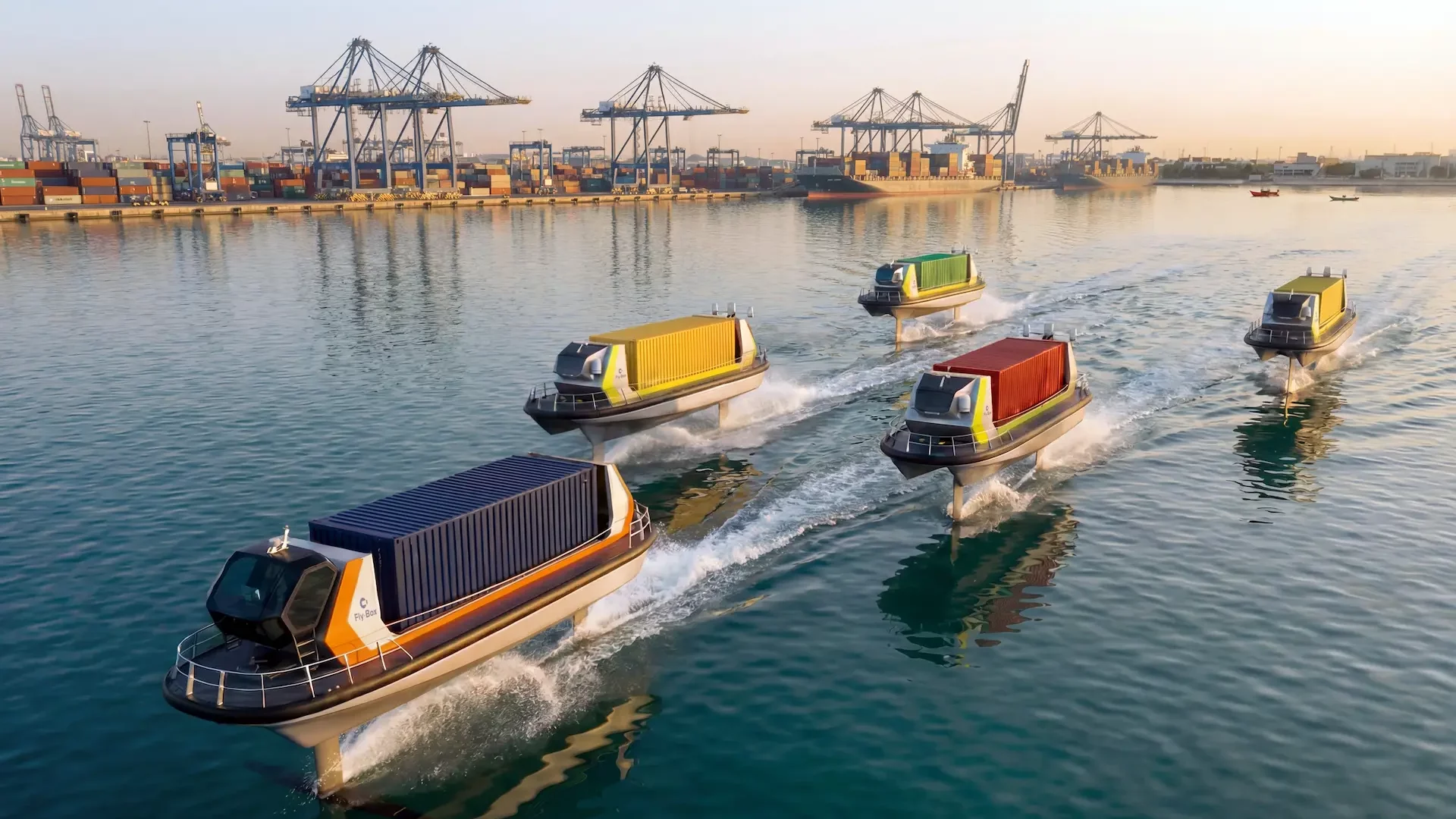
Fly-Box boats illustrating innovation in yachting, photo : Fly-Box
The Imperative of Clarity
As technological innovation accelerates, the transformation of yachting is no longer shaped solely within design offices. In a market saturated with technical promises, the success of sustainable yachting pioneers now depends on a strategic lever. Visibility.
For leaders, the challenge goes beyond simple announcements. It is about turning complex concepts into solutions that are clear and credible. Without impactful communication capable of demonstrating the real viability of projects, even the strongest innovations risk anonymity. In a period of rapid transformation, clarity is no longer an option. It is the competitive advantage that turns commitment into market leadership.
Companies like Fly-Box Tech illustrate this generation of projects, which have to prove their performance while embodying new uses. Branding is an essential lever for these actors to become benchmarks.
Conclusion
Yachting is entering a phase in which the environmental transition requires design, performance, and responsibility to be articulated within coherent projects.
Sustainable yachting is establishing itself as a standard based on efficiency and impact control. This dynamic ties in with Think.Green’s expertise in sustainable innovation, innovation in yachting and the structuring of complex projects.