
At the intersection of World Expos, scientific research and new models of tourism, this article falls within the areas of expertise of Think.Green and LuxuryBrands.Digital. It explores the convergence of regional strategy, sustainability and luxury tourism, particularly within the yachting sector.
Based on the example of coral reef restoration in the Red Sea, which was highlighted at the 2025 Osaka World Expo, this article analyses how Saudi Arabia combines marine research, ecosystem conservation and the development of sustainable yachting with high added value.
Restoration of coral reefs: an ecological and scientific challenge
The Red Sea is one of the most unique marine ecosystems on the planet. It is home to incredibly diverse coral reefs, despite being exposed to extreme environmental conditions. High temperatures and high salinity characterise this challenging environment, in which certain coral species have developed remarkable adaptive abilities.
This unique feature has drawn the attention of the international scientific community, making the coral reef restoration in the Red Sea a priority area of research. Coral reefs in the Red Sea exhibit greater thermal tolerance than those in other tropical regions. This relative resilience makes them an ideal subject for research into adaptation to global warming and for determining the conditions necessary for long-term survival.
Beyond their scientific value, these reefs support essential biodiversity and the balance of coastal ecosystems. In a region poised for increased development, their preservation requires in-depth knowledge of the environment, continuous ecological monitoring, and the use of research-based restoration methods.
Corallium Marine Life Institute
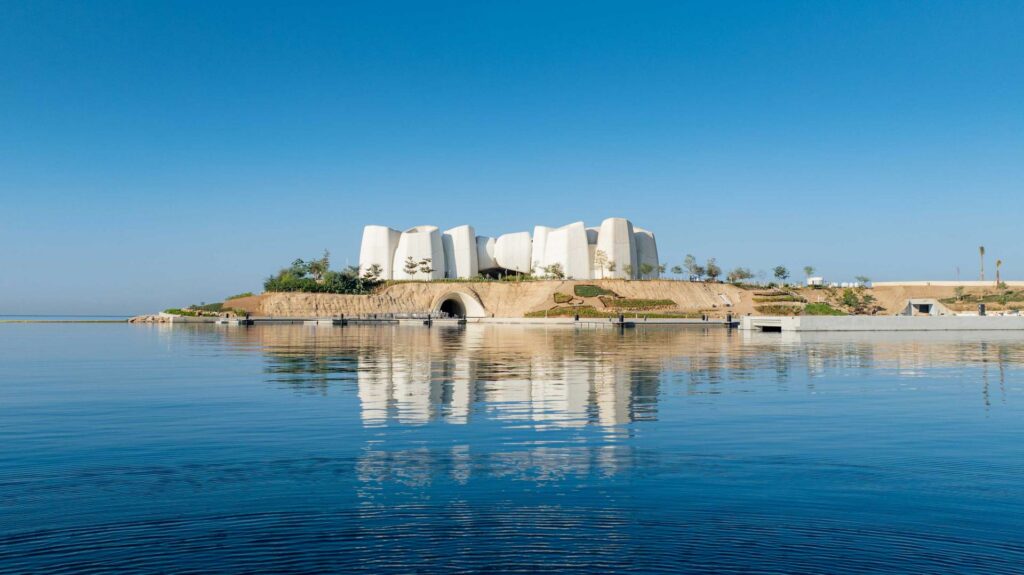
Render of the Corallium Marine Life Institute, a research center dedicated to the study and restoration of coral reefs in the Red Sea. © Red Sea Global
Research at the heart of tourism development
To organize this effort, the Corallium Marine Life Institute was established as part of the AMAALA project. The institute serves as a scientific platform dedicated to the study of ecosystems and the coral reef restoration in the Red Sea.
The center leads research programs on coral genetics and their stress resistance. It conducts long-term scientific monitoring to assess the effectiveness of the methods employed, directly connecting researchers with public policymakers.
This approach aims to integrate conservation into projects from the design phase onward. Finally, the institute is committed to knowledge sharing: science becomes a key tool for guiding land use and supporting sustainable tourism development.
Coral reef restoration at the heart of the Saudi pavilion at Osaka 2025
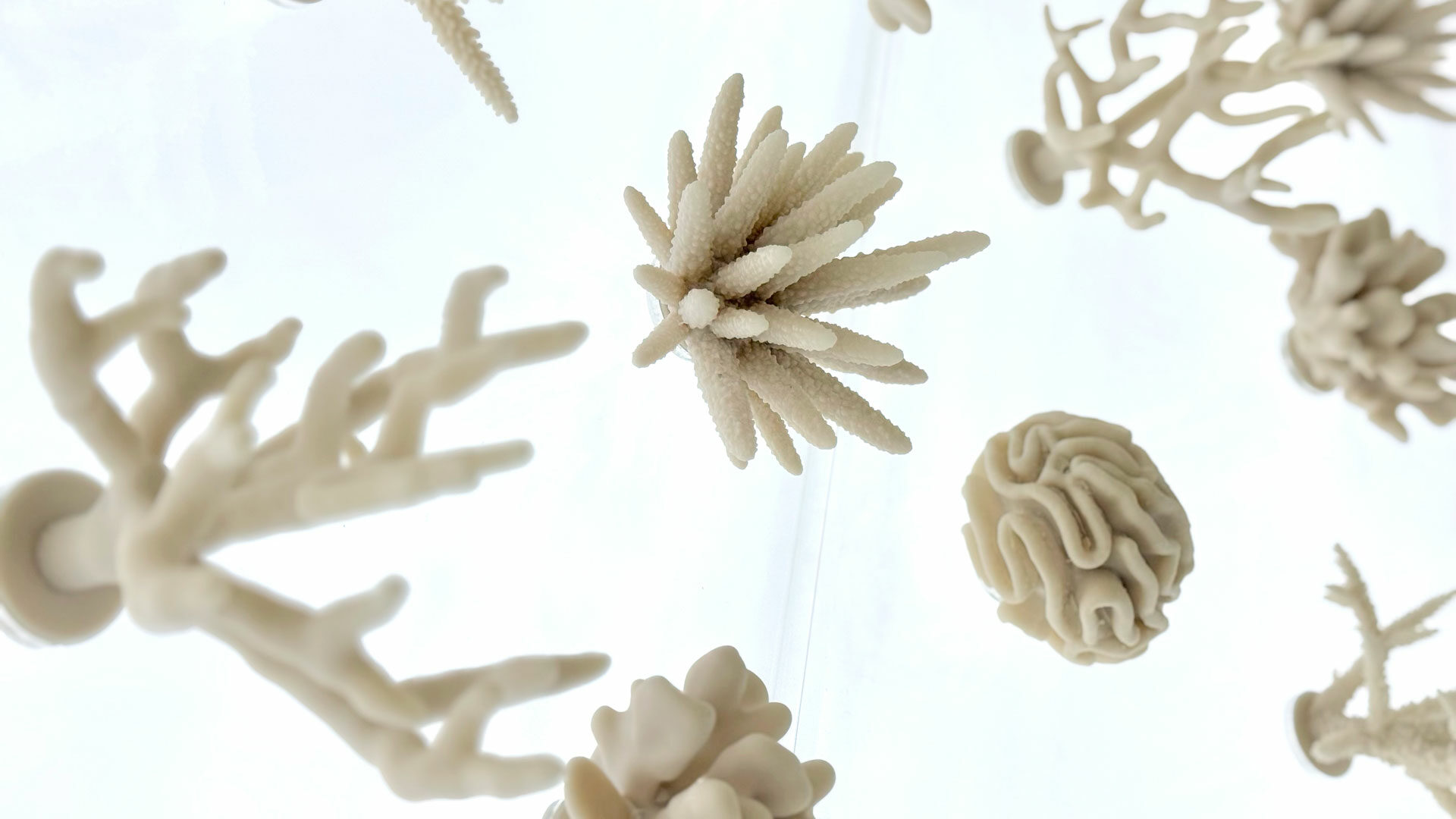
3D-printed coral reef structures on display at the Saudi Pavilion at the Osaka World Expo 2025. © Rémy POURTIER
Internationally acclaimed scientific work: Saudi research at the World’s Expo
At the Osaka World Expo, Saudi Arabia highlighted the work of KAUST (King Abdullah University of Science and Technology), a leading research university in the fields of marine and environmental sciences.
The pavilion showcased innovative restoration methods, including the use of 3D-printed structures, illustrating concrete progress in coral reef restoration in the Red Sea on an international scale.
This work has been recognized internationally with the Innovation Award from the Bureau International des Expositions (BIE). This recognition enhances Saudi Arabia’s visibility in marine conservation research and the practical application of scientific protocols.
Saudi Arabia, a pioneer in marine conservation
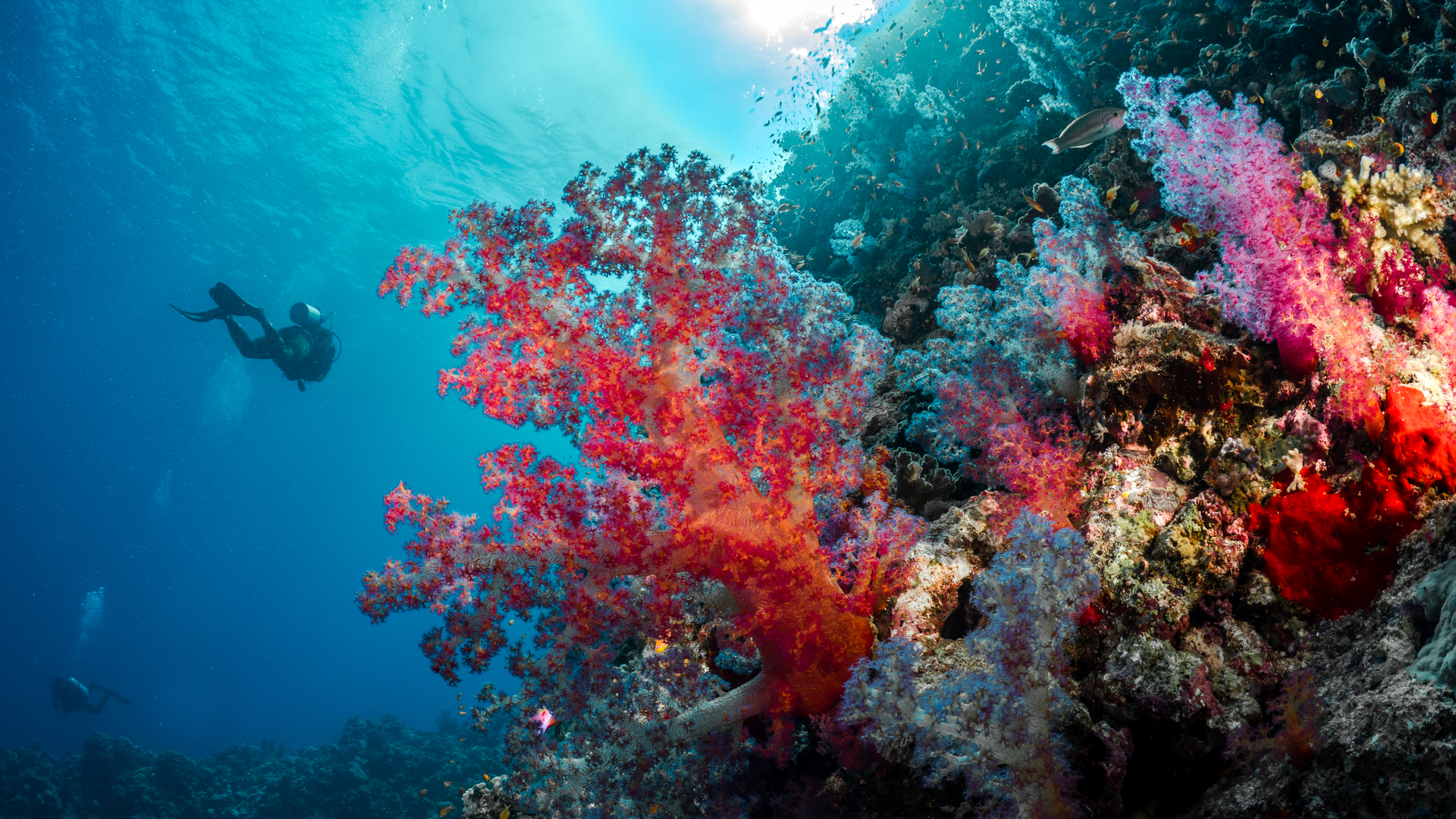
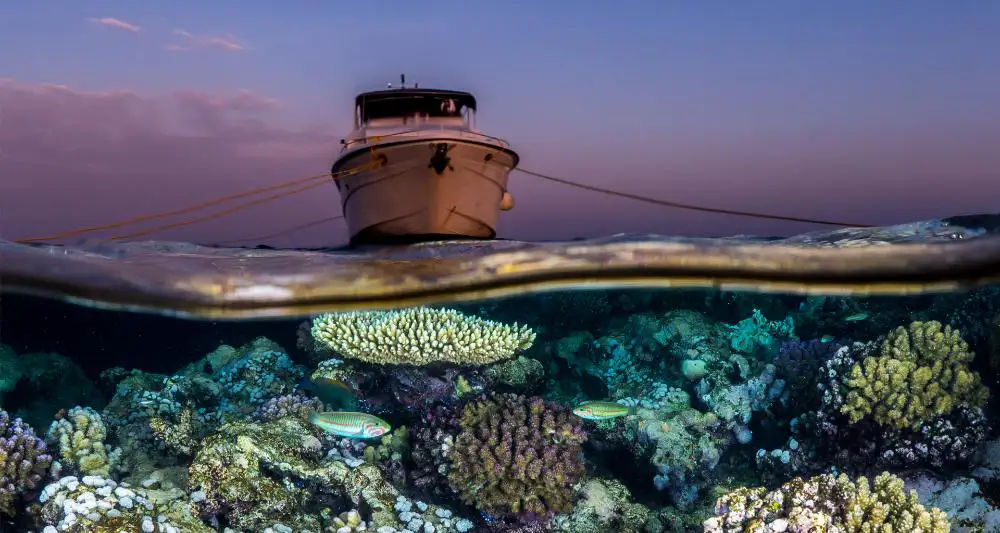
Underwater diving in the heart of the coral reefs of the Red Sea, image from the “Beneath the Surface” series produced by Red Sea Global. © Red Sea Global
The Role of Marine Protected Areas in Conservation
For several years, Saudi Arabia has been structuring a major scientific initiative focused on ecosystem conservation, with an emphasis on the Red Sea. Research conducted by KAUST is improving our understanding of the mechanisms underlying coral resilience and informing coral reef restoration programs in the Red Sea.
This scientific research translates into concrete actions. The creation of marine protected areas, the strengthening of environmental monitoring, and the regulation of coastal land uses demonstrate an approach that goes beyond the academic realm. The goal is to preserve marine environments while anticipating the impacts of human activities in a region that is seeing increasing visitor traffic.
This strategy is now integrated into the Kingdom’s major coastal development projects. Stakeholders such as Red Sea Global rely on available data to guide infrastructure design and operational guidelines. As part of the Saudi Vision 2030 framework, this approach positions Saudi Arabia as a pioneer in developing models that combine research with sustainable land-use management.
Toward Responsible Yachting in the Red Sea
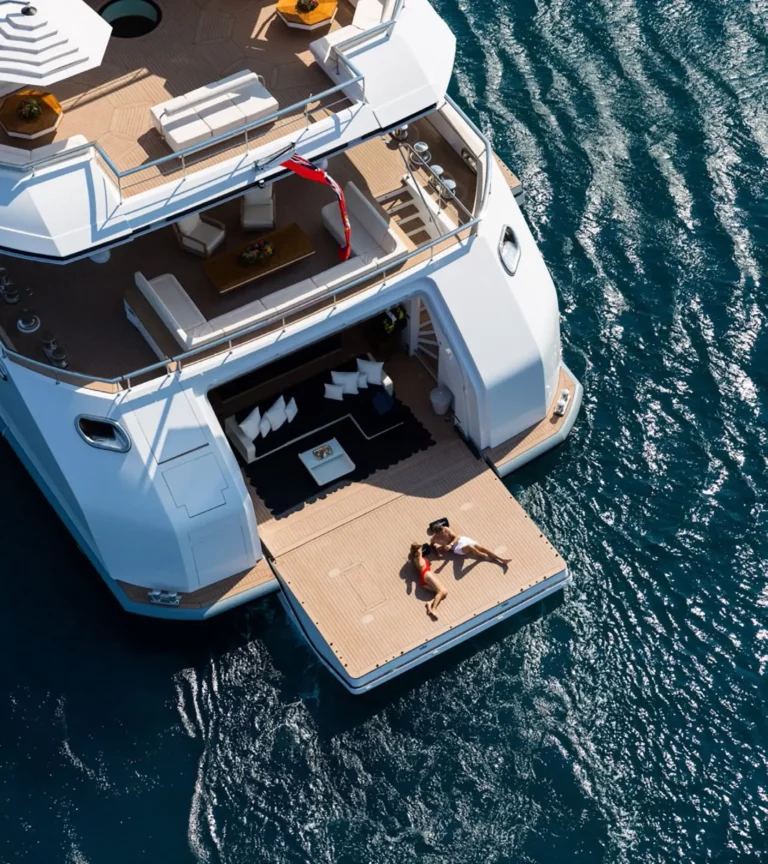
Saudi Arabia is preparing for the impacts of nautical tourism by incorporating environmental measures into the design of its destinations from the outset. The goal is to facilitate luxury tourism while minimizing pressure on sensitive ecosystems through a combination of regulations and scientific guidance.
Key measures include identifying areas where anchoring is prohibited and implementing eco-friendly mooring systems. Navigation routes are established based on available environmental data to protect the most sensitive areas.
Projects like AMAALA exemplify this commitment. The development of yachting there is guided by high standards established in collaboration with regulatory authorities. Led by Red Sea Global, this initiative aims to ensure that yachting is conducted in a way that is compatible with the sustainable preservation of the environments that make the experience possible.
Preserving nature to shape better growth
The example of the Red Sea illustrates a shift in the approach to coral reef restoration, marine conservation, and the development of the yachting industry. Drawing on research from KAUST, facilities such as the Corallium Marine Life Institute, and the Kingdom’s protected areas, this model makes conservation a prerequisite for development.
These trends align with the expertise of Think.Green and LuxuryBrands.Digital in the areas of sustainable innovation and the structuring of complex projects, where design, strategy, and environmental responsibility come together to form a cohesive whole.